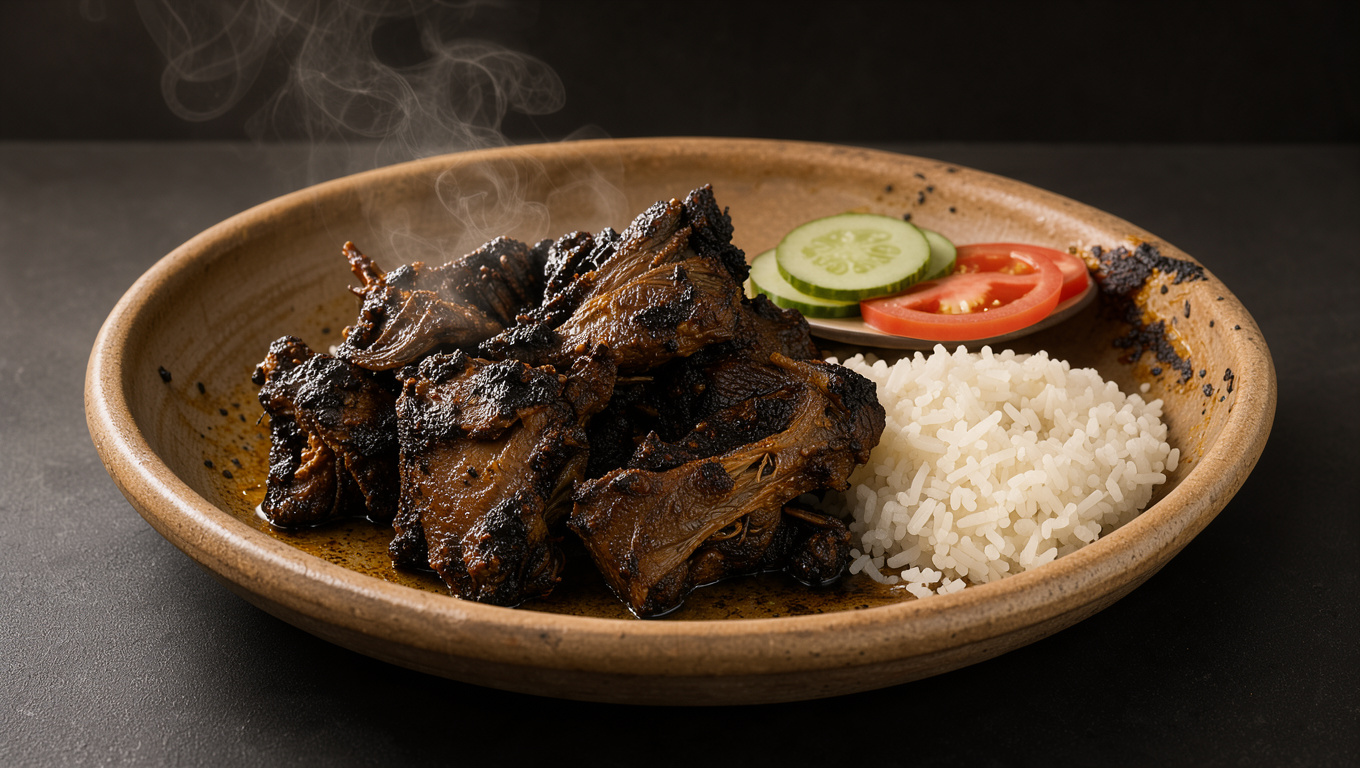
Beef Rendang
Dry-fried, spice-black, falling-apart beef — rendang is not a curry, it is a curry taken all the way to its end. Hours of patient stirring turn coconut milk, lemongrass and chilli into a dark, clinging paste that perfumes the meat to the core.
- Total
- 270 min
- Heat
- 4/5
- Serves
- 6
Sign in to see what you already have, what you can swap and what’s missing.
Flavour profile
- Caramelised
- Rich
- Savoury
- Spicy
The real deal
- Region
- Minangkabau, West Sumatra, carried to Negeri Sembilan and the whole of Malaysia, where it is the dish of every kenduri.
- Technique
- The defining technique is not simmering but taking it too far: coconut milk and spice paste reduced over hours until the liquid is gone and the meat fries in the oil it has released, turning lacquer-dark.
- We kept
- Rempah paste pounded from fresh lemongrass, galangal, turmeric, ginger and dried chillies; bulk coconut milk; kerisik (toasted coconut) and makrut lime leaves; no cream, no tomato, no green curry paste shortcuts.
Ingredients
rendang
- 1.2 kg · cut across the grain into large chunks
- 800 ml · full-fat, no shaking
- 200 ml
- 6 · torn, stems out
- 1 · optional · tied in a knot, or use a second lime leaf
- 2 tsp
- 20 g
- 2 tsp
- 120 g
- 4 tbsp
rempah
- 30 · soaked in hot water, drained
- 300 g · peeled
- 8 cloves
- 3 · white part only
- 2 · white part only for the paste, bruised stalks for the pot
- 6 cm
- 3 cm
- 4 cm
- 10 · soaked in hot water
- 2 tbsp
- 2 tsp
- 1 tsp
Method
Cut into big, even 4 cm chunks, cutting across the grain so the fibres stay short. Rendang is a long cook — bigger pieces stay juicy inside while the outside fries dark.
Tip: Do not trim off all the fat. That fat is what carries the spice paste and gives rendang its shine.
Cover with just-boiled water and leave to soften for 15 min. Drain, keeping a splash of the soaking liquid in case the blender needs it.
Tip: Squeeze the chillies dry before blending — too much water makes a thin paste that takes longer to reduce.
Cover with hot water and leave for 10 min until soft enough to crush between your fingers. They thicken and enrich the paste; without them the gravy stays watery.
Toast , and in a dry pan over medium heat for 1 min 30 sec, just until they smell warm and nutty, then grind fine.
Blend the drained , , , , , , , the softened and ground spice mix into a thick, smooth rempah. Pound it in a mortar if you can — the blades of a blender shred where a pestle crushes, and crushed aromatics taste rounder. Add only as much liquid as it takes to turn.
Tip: A properly cooked rempah smells sweet and herbal, never raw. If it smells raw it is not cooked yet — keep going.
Smash the remaining with the flat of a knife so it splays, tear and pull out the stems, and knot . They go in whole, to be fished out later.
Toast in a dry pan over medium heat, stirring, for 5 min until it is dark, dry and smells like roasted nuts. Pound or pulse it to a coarse, oily crumb while it is still warm.
Tip: This is kerisik — it is what turns the gravy silky and toasted. If the coconut smells scorched or bitter, throw it out and start again.
Heat 4 tbsp in a wide, heavy pot over medium heat. Add rempah spice paste and the bruised lemongrass, lime leaves and turmeric leaf from the bruised aromatics. Fry gently, stirring often, for 20 min until the paste darkens, the fragrance turns sweet and thick, and the oil separates and pools at the edges. Do not rush this — it is the backbone of the dish.
Tip: If the paste catches, splash in a little coconut milk and drop the heat. A burnt rempah is bitter and cannot be fixed.
Pour in and . Add the beef, , and 2 tsp . Bring to a bare simmer, then cook mostly uncovered, stirring every so often, for 1 h 30 min until the meat is tender and the liquid has reduced by half and gone from milky white to a pale tan.
Tip: Keep the heat low and the surface barely trembling. Boiled coconut milk splits into oil and grainy fibre and no amount of stirring brings it back.
Stir in kerisik toasted coconut. From here you are finishing the rendang: the sauce should now be thickening, darkening and clinging to the meat. Keep it at low heat, stirring more often so it does not stick, for another 40 min.
Tip: Once the coconut goes in, the window between dark and burnt gets short. Stay at the stove.
Turn the heat down low and keep cooking, stirring almost constantly, for 40 min until the liquid is completely gone, the paste coats each piece in a thick dark crust and the beef starts frying in its own oil. This is the moment rendang becomes rendang: the sauce is no longer a gravy but a near-dry, glossy film. It should smell deeply toasted, not burnt.
Tip: If it tastes flat at the end, it needs more salt and another few minutes of frying, not more liquid.
Fish out the lemongrass, lime leaves and turmeric leaf. Leave the rendang off the heat for 15 min so the oil it has expelled settles back through the meat.
Tip: Rendang is even better on the second day, once the spice has had time to work its way in.
Serve warm or at room temperature with steamed rice and something sharp and raw on the side.
Make it a meal
What hits hardest next to it.
- Rice & noodlesStarchyLight
Plain rice is the neutral landing pad for the dry, concentrated spice paste — rendang is never eaten alone.
Try: Steamed jasmine rice or compressed nasi impit
From our kitchen
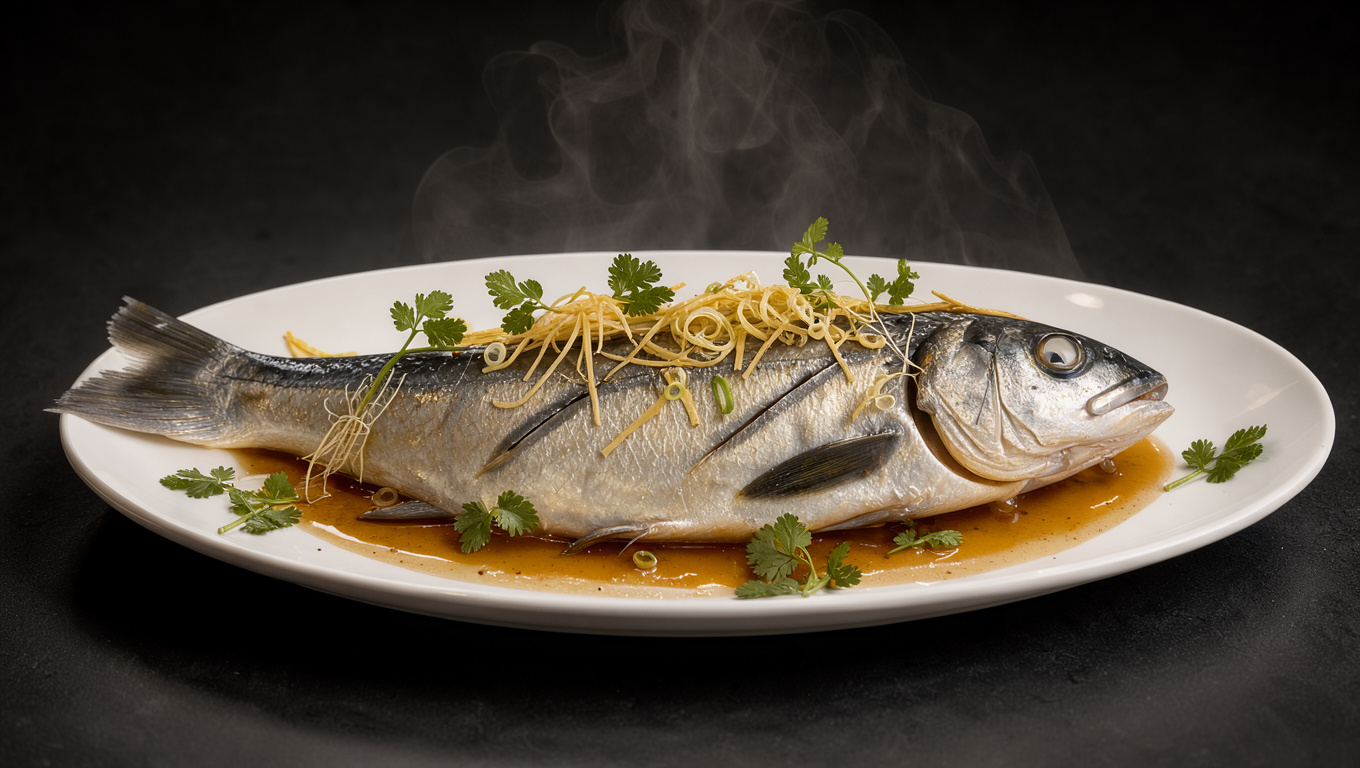 Cantonese Steamed Fish with Ginger and Spring OnionCANTONESE · CHINA — 35 MIN
- SideCrunchySourCooling
A raw, sharp crunch resets the palate between mouthfuls of rich coconut and chilli.
Try: Cucumber and pineapple in a lime-and-vinegar pickle
From our kitchen
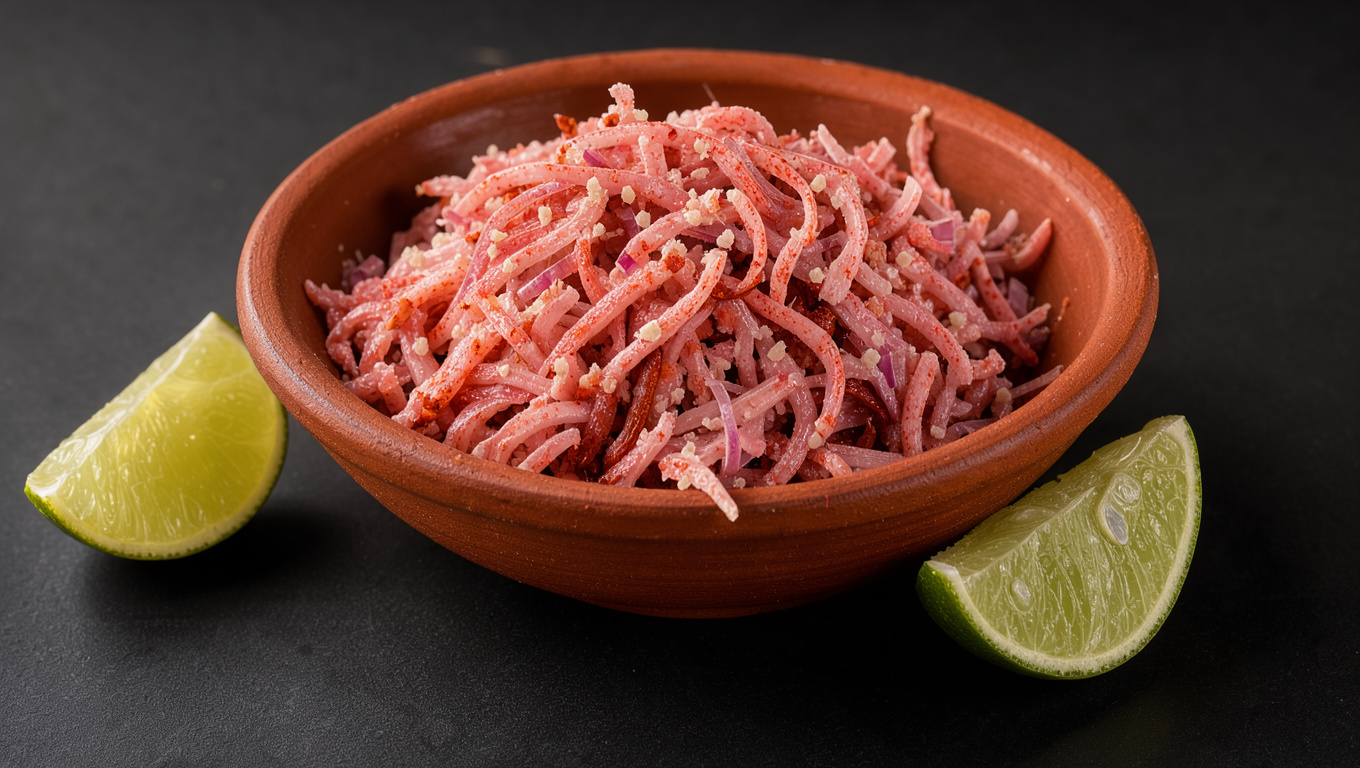 Pol Sambol (Sri Lankan Coconut Sambol)SRI LANKAN · SRI LANKA — 15 MIN
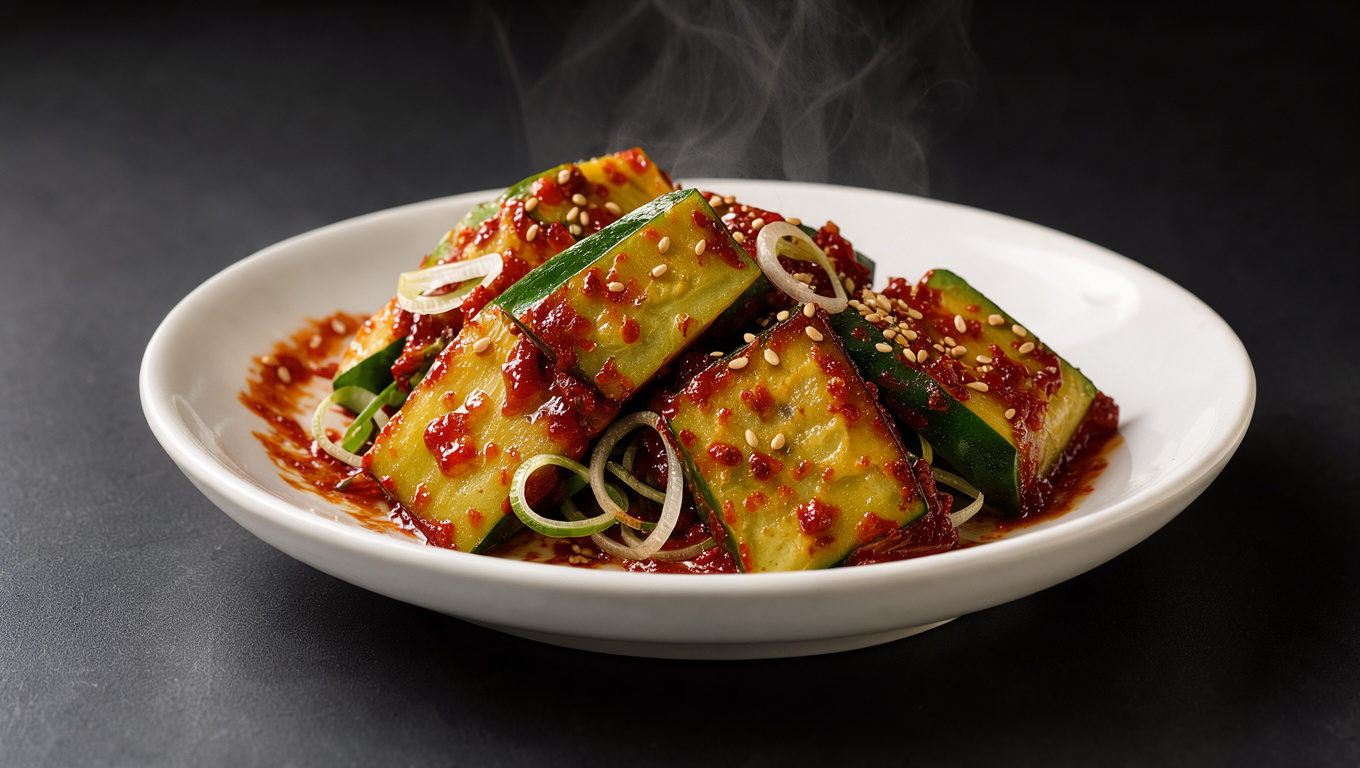 Oi Muchim (Korean Cucumber Kimchi)KOREAN · KOREA — 15 MIN
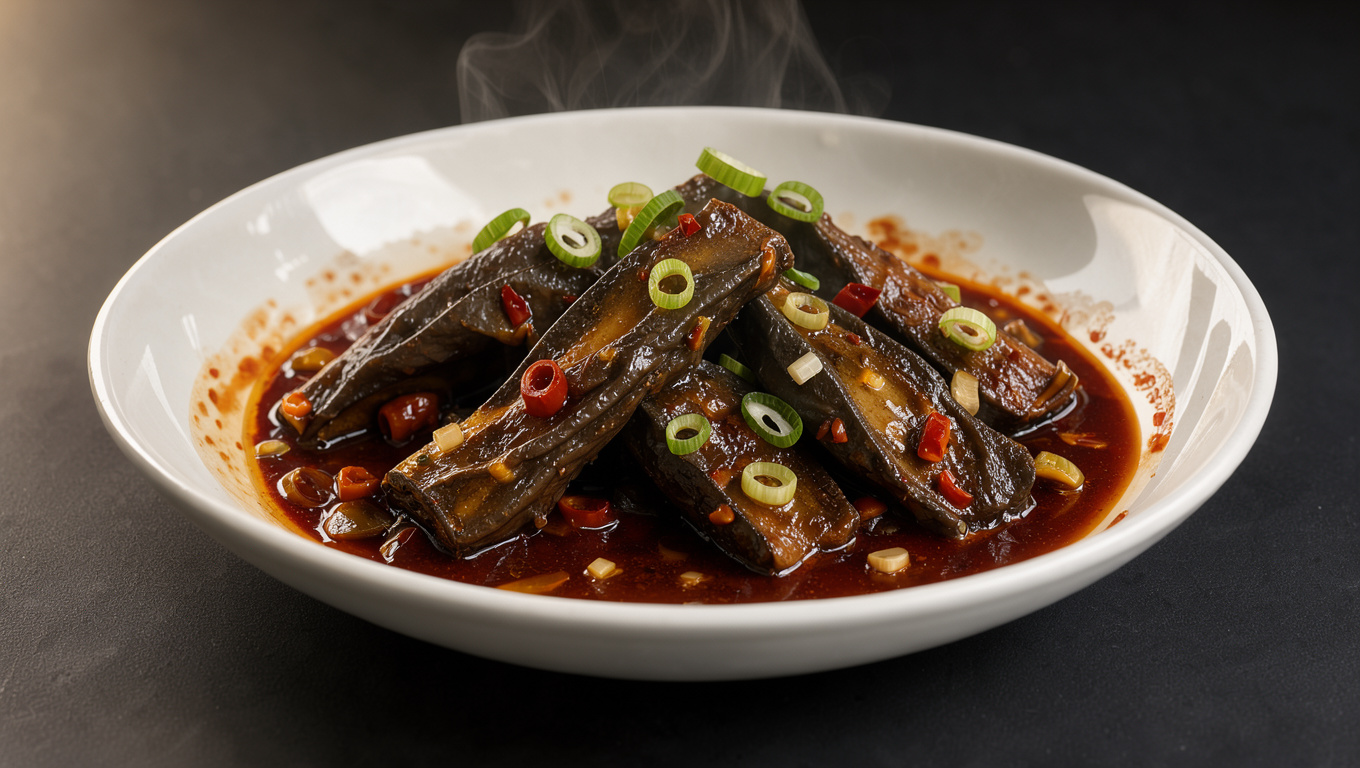 Sichuan Fish-Fragrant AubergineSICHUAN · CHINA — 40 MIN
- SideLightHerbyBitter
A blanched green vegetable keeps the plate from being all meat and coconut.
Try: Water spinach blanched and tossed with garlic oil
From our kitchen
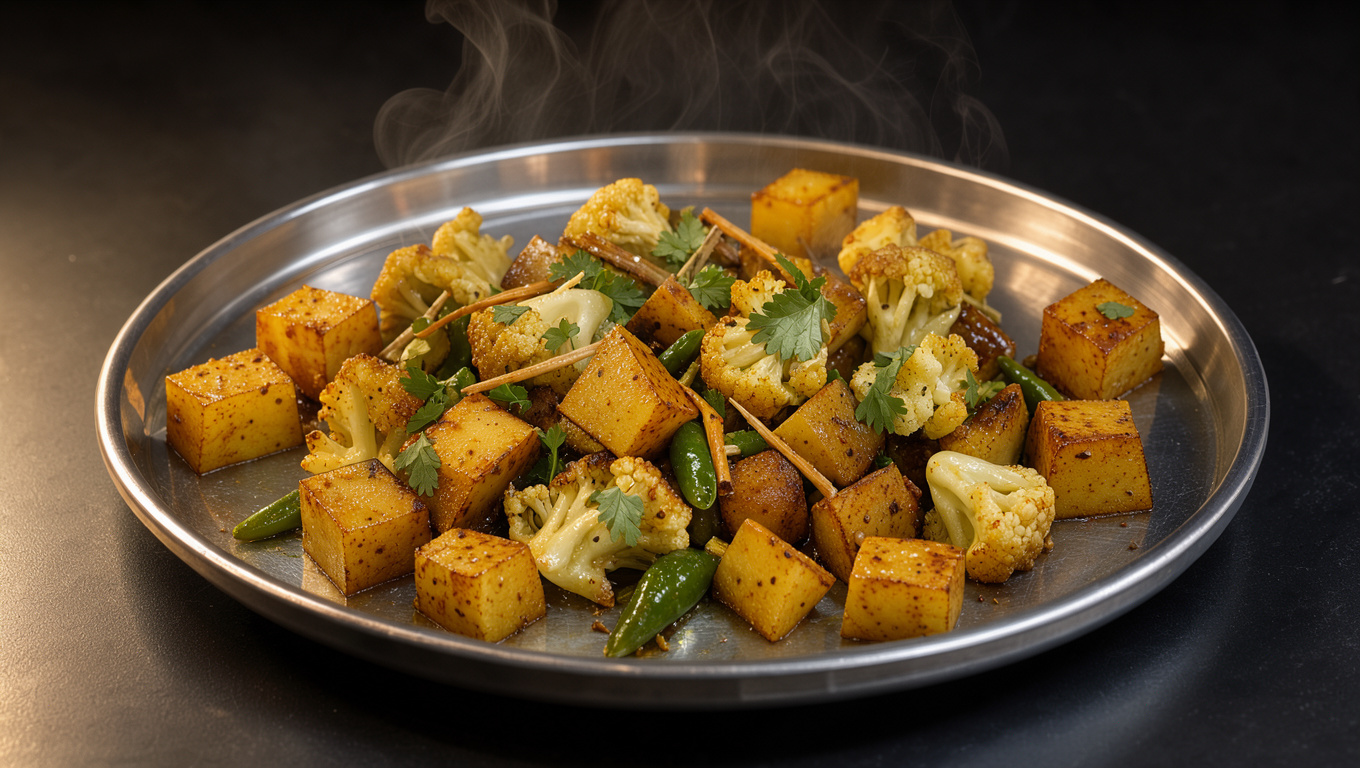 Aloo GobiINDIAN · INDIA — 40 MIN
- Pol Sambol (Sri Lankan Coconut Sambol)SRI LANKAN · SRI LANKA — 15 MIN
- Oi Muchim (Korean Cucumber Kimchi)KOREAN · KOREA — 15 MIN