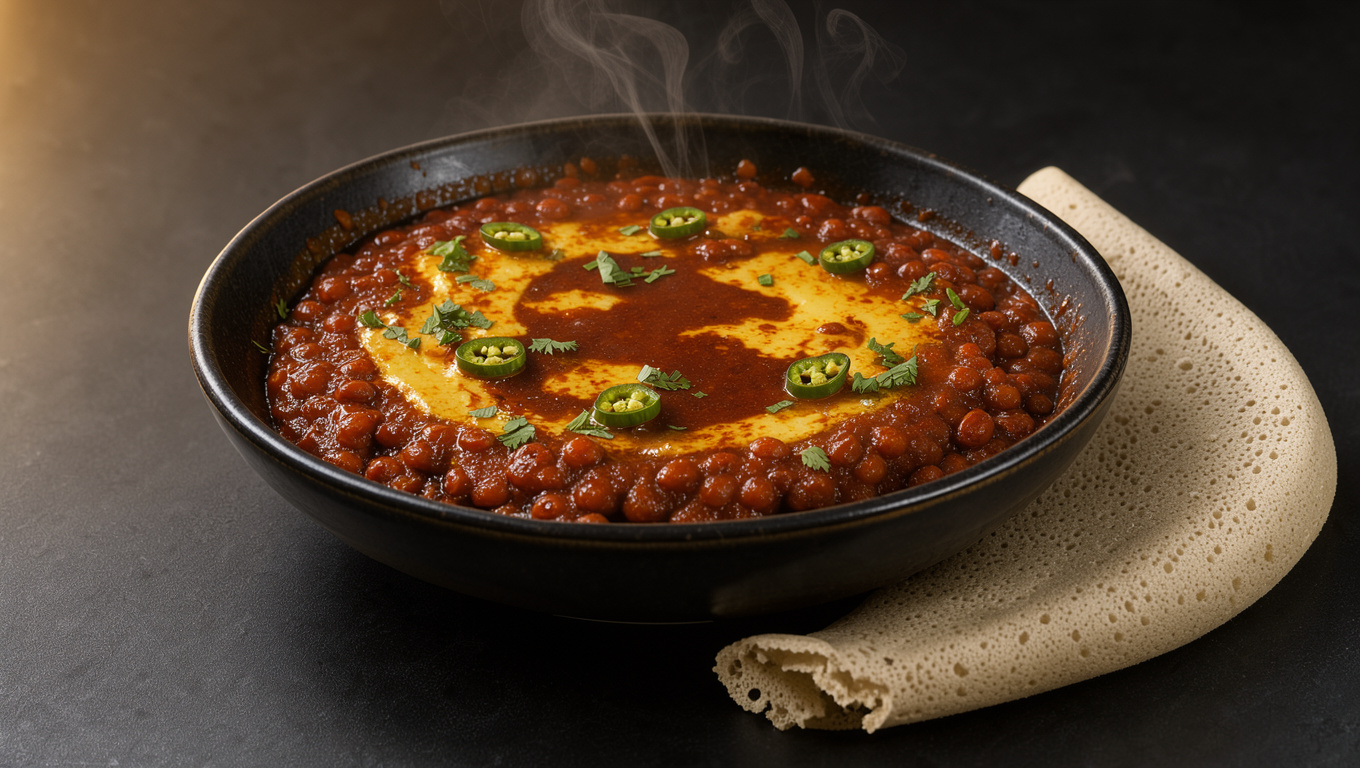
Misir Wot
Ethiopian red lentils cooked down to a thick, glossy stew, stained deep red by berbere and finished with a raw spoon of niter kibbeh. This is the wot that anchors every Ethiopian spread — build it once, and it gets better every day.
- Total
- 65 min
- Heat
- 4/5
- Serves
- 6
Sign in to see what you already have, what you can swap and what’s missing.
Flavour profile
- Fermented
- Rich
- Spicy
- Umami
The real deal
- Region
- Ethiopia, specifically the highland Amhara and Tigray kitchen where misir wot is the everyday fasting dish.
- Technique
- Dry-frying the onions with no fat first, then a long slow simmer until the lentils collapse and the berbere-stained oil rises to the surface — the defining niter kibbeh-free braise of the Ethiopian Orthodox fast.
- We kept
- Berbere, dried red lentils, the no-fat onion base and the long slow simmer that lets the oil separate at the end. We use niter kibbeh at the table rather than in the pot when serving fasting-style, and add it back for the non-fasting version.
Ingredients
Base
- 2 · very finely diced
- 5 cloves · crushed
- 4 cm · grated
- 3 tbsp
- 2 tbsp
simmer
- 400 g · rinsed until the water runs clear
- 1.2 l
- 1½ tsp
finish
- 2 tbsp · optional · or vegan spiced oil, see recipe
- 2 · optional · sliced
- 15 g · optional · chopped
Method
Dice the as finely as you can — it should almost melt into the pan. Crush the and grate the .
Tip: Finely diced onion is not optional here: chunky pieces stay crunchy in the finished wot.
Put a heavy pot over medium heat and add the onions with no oil at all. Stir often for about 10 min, until they collapse, turn jammy and glossy and stick slightly to the bottom. Add a splash of water if they catch.
Tip: No fat: the onions must sweat and caramelise in their own moisture before the berbere goes in. This is the step that makes a real wot taste deep.
Add the and and stir for 1 min. Then add the and and stir constantly for 3 min over medium heat until the paste darkens, smells toasted and the oil starts to separate.
Tip: Berbere burns in seconds — keep it moving and drop the heat if it smells acrid rather than toasted.
Add the and 1.2 l . Bring to a boil, then drop to low heat and simmer uncovered for about 35 min, stirring every few minutes so nothing sticks, until the lentils have completely broken down into a thick, spoonable purée.
Tip: If it tightens too much, add hot water a splash at a time — the wot should be thick enough to hold a spoon but still fluid enough to scoop with injera.
Stir in the , taste and adjust. Take the pot off the heat and let it sit for 5 min — the wot thickens as it rests and the flavours come together.
Tip: Salt at the end, not the start: salting lentils early keeps them from softening fully.
Swirl in the while the wot is still warm — it will melt and gloss the surface. Scatter over the sliced and and serve with injera.
Tip: Niter kibbeh is the classic finish. For a fasting version, skip it or spoon over a little oil bloomed with a pinch of berbere and cardamom instead.
Make it a meal
What hits hardest next to it.
- BreadStarchyFresh
Injera's sour tang and spongy texture are the intended vehicle — tear off a piece and scoop the wot, no cutlery involved.
Try: Homemade or shop-bought injera
Nothing on the site fits yet. Ask the Lab to cook one up →
- SideCoolingFreshLight
Cools the chilli heat and refreshes the palate between mouthfuls of rich lentil stew.
Try: Ethiopian tomato and green chilli salad with a squeeze of lemon
From our kitchen
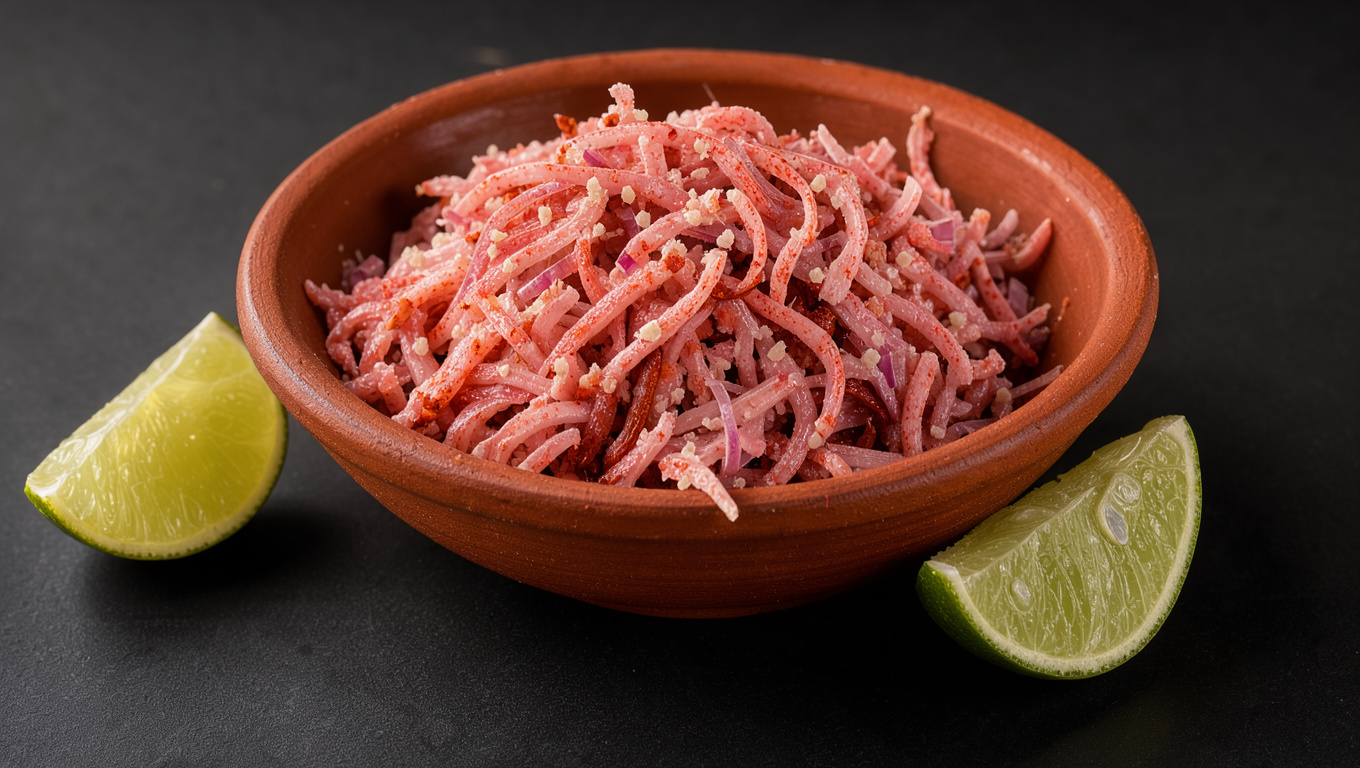 Pol Sambol (Sri Lankan Coconut Sambol)SRI LANKAN · SRI LANKA — 15 MIN
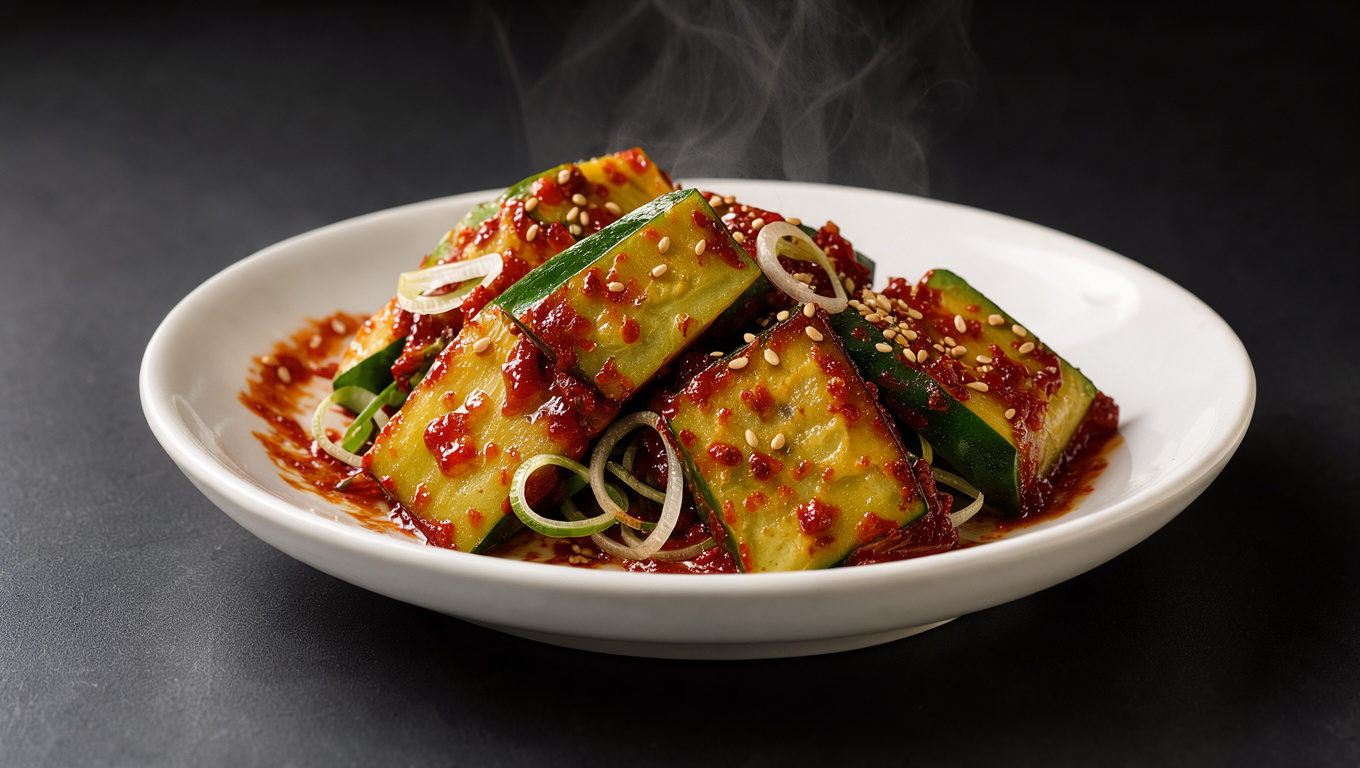 Oi Muchim (Korean Cucumber Kimchi)KOREAN · KOREA — 15 MIN
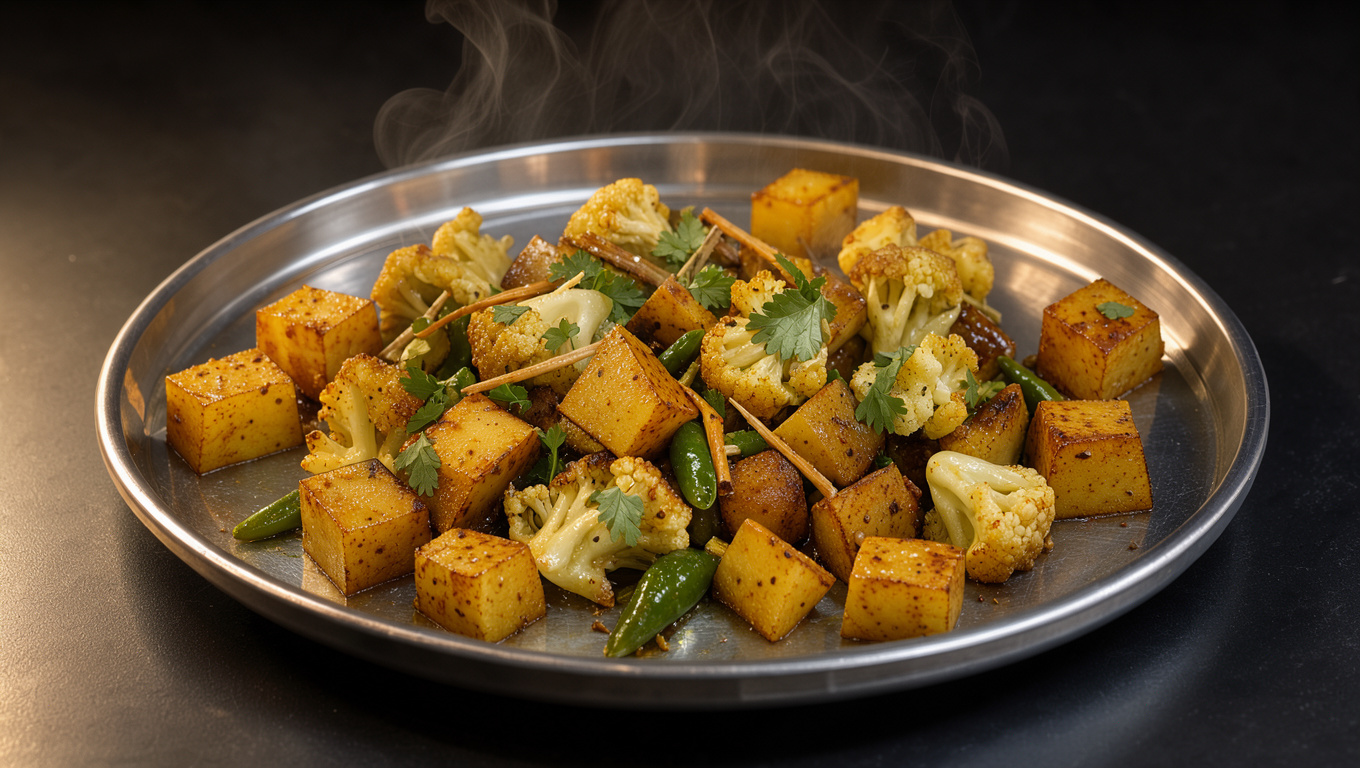 Aloo GobiINDIAN · INDIA — 40 MIN
- SideBitterCrunchy
Adds a bitter, crunchy, fermented counterpoint to the soft, spicy lentils.
Try: Gomen — braised collard greens with garlic and ginger
Nothing on the site fits yet. Ask the Lab to cook one up →