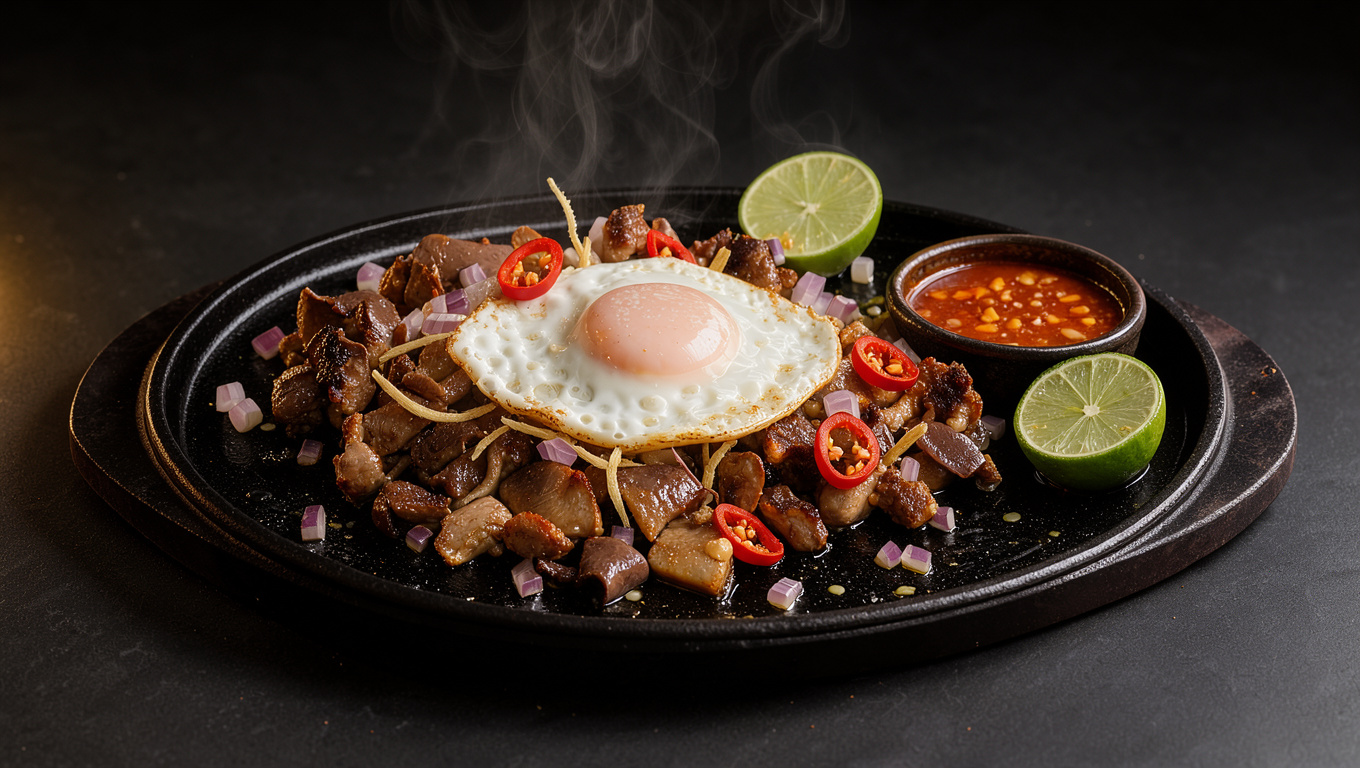
Pork Sisig
Sizzling chopped pig's head, sharpened with calamansi and vinegar, with chilli and raw onion cutting through the fat. A Pampanga invention, and the best thing that ever happened to a hot plate.
- Total
- 120 min
- Heat
- 3/5
- Serves
- 4
Sign in to see what you already have, what you can swap and what’s missing.
Flavour profile
- Rich
- Savoury
- Smoky
- Sour
The real deal
- Region
- Pampanga, Central Luzon. Originally a sour salad of chopped green mango, then Ivan Diaz of Angeles City swapped in pig's head in the nineteen seventies.
- Technique
- Boil the head and liver, grill hard over charcoal for smokiness, then dice dangerously small and finish with the souring and fat that make it sing.
- We kept
- Pig's head and liver, charcoal char, calamansi and vinegar souring, raw onion and chilli stirred in at the end — never bell peppers or mayonnaise, which belong to the canteen versions.
Ingredients
boil
- 1 kg · or pig's head and ears, cut into chunks
- 800 g · whole slab, skin on
- 250 g · or chicken livers, trimmed
- 3
- 1 tsp · cracked
- 1 tbsp
finish
- 2 · finely diced
- 3 · sliced, seeds in
- 3 cm · grated
- 8 · halved, or limes
- 2 · for squeezing at the table
- 3 tbsp · or white vinegar
- 2 tbsp
- 1 tsp
sizzle
- 30 g · or margarine
- 1 tbsp
serve
- 4 · optional · one per plate, if you want it
- 4 tbsp · optional
Method
Put the and in a heavy pot, cover with cold water and bring to a hard boil. Skim off the grey scum that rises, then add , and 1 tbsp . Drop to a low simmer and cook until a knife slides through the skin with no resistance, around 1 h. Add for the last 10 min only, so it poaches gently and never turns crumbly.
Tip: Saving time? Pressure-cook the head and belly for 25 min, then quick-release; the char and the finish are what make the dish, not the long boil.
Lift the meat out and let it drain and dry in a single layer, until it's cool enough to handle and the surface is no longer wet. This dry skin is what chars later instead of steaming. Discard the aromatics.
Tip: Wet meat will not char. Blot it with kitchen paper if you're impatient.
Dice fine. Slice into rings, keeping the seeds. Grate to a paste. Halve the and squeeze out the juice; stir it with and in a small bowl.
Get a charcoal grill or a dry cast-iron pan ripping hot — the grill grate should be smoking before the meat lands. Grill the boiled belly and head pieces until the skin blisters and blackens in patches and the fat drips and flairs, turning once, 10 min to 12 min. Grill the liver briefly too, just until it takes on colour, about 2 min a side. You want char and smoke, not grey meat.
Tip: Blackened edges are the point — scrape off only the truly burnt bits. If it smells of creosote, your fire is too smoky and not hot enough.
Chop the charred pork and liver into small 0.5 cm dice, keeping the fat and the crisp skin in with the lean — the mix of textures is the whole point of sisig. Pile it into a bowl.
Tip: A food processor makes mush. Do this by hand with a heavy knife.
Pour the calamansi dressing over the chopped pork and toss well. Add 1 tsp and the , and , and toss again. Taste: it should be bracingly sour first, then rich, then heat at the back. Add more juice if it's flat.
Tip: Dress while the meat is still warm so it drinks up the sourness.
Heat a cast-iron sizzling plate or a heavy frying pan over high heat until a drop of water evaporates on contact. Add 1 tbsp and 30 g , then spread the sisig out in one layer. Let it sit undisturbed until the bottom crisps and crackles, about 3 min, then toss once and carry it to the table still spitting.
Tip: Serve on a trivet — hot plates crack cold tables, and the sizzle dies fast, so eat immediately.
Crack onto the sizzling plate if you like — it should fry in the pork fat at the edges while the yolk stays runny. Serve with steamed rice and on the side, and squeeze the last halves of the over the top at the table.
Make it a meal
What hits hardest next to it.
- Rice & noodlesStarchyLight
Plain rice is the bed sisig is eaten from, and it takes the fat and acid head-on.
Try: Steamed jasmine rice, one fried egg on top per person
From our kitchen
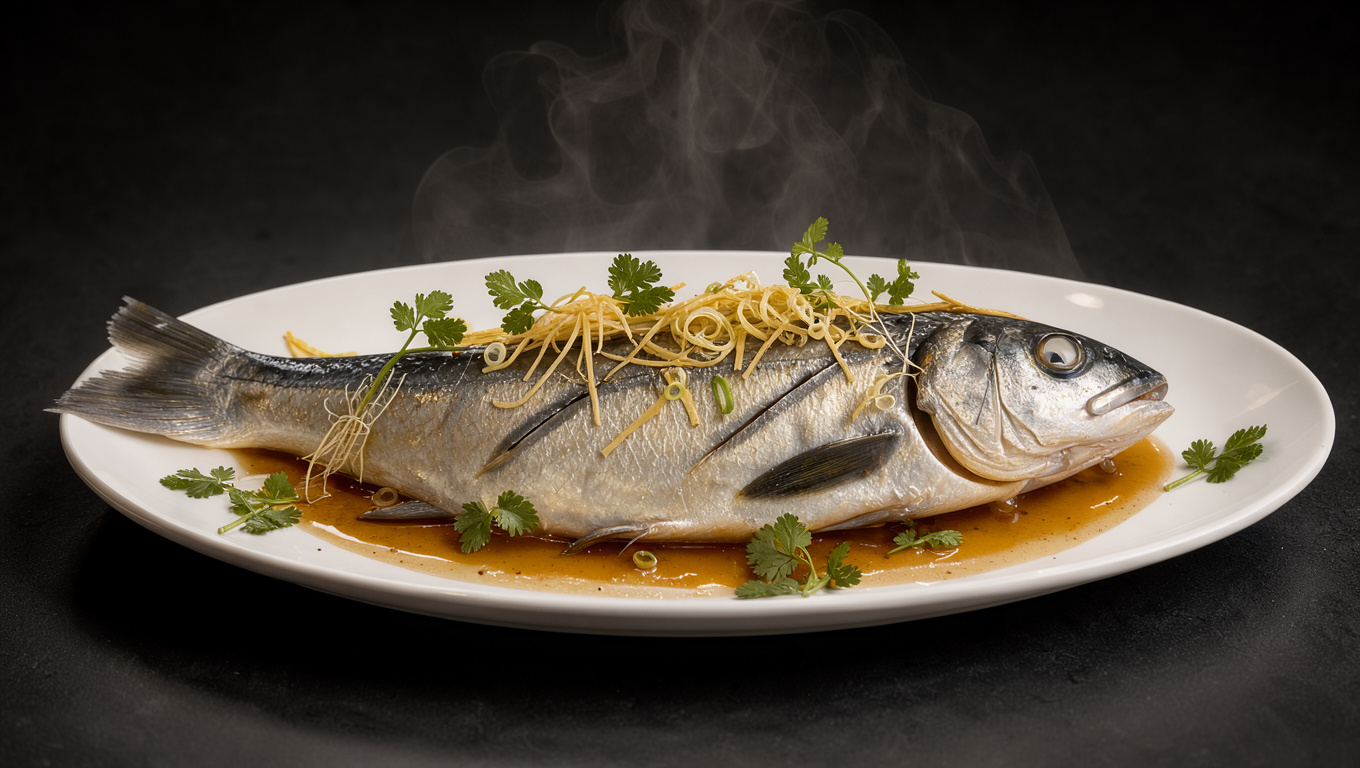 Cantonese Steamed Fish with Ginger and Spring OnionCANTONESE · CHINA — 35 MIN
- SaladSourCrunchyFresh
A sharp raw salad keeps the palate awake between spoonfuls of rich pork.
Try: Ensaladang talong — grilled aubergine with tomato, vinegar and onion
From our kitchen
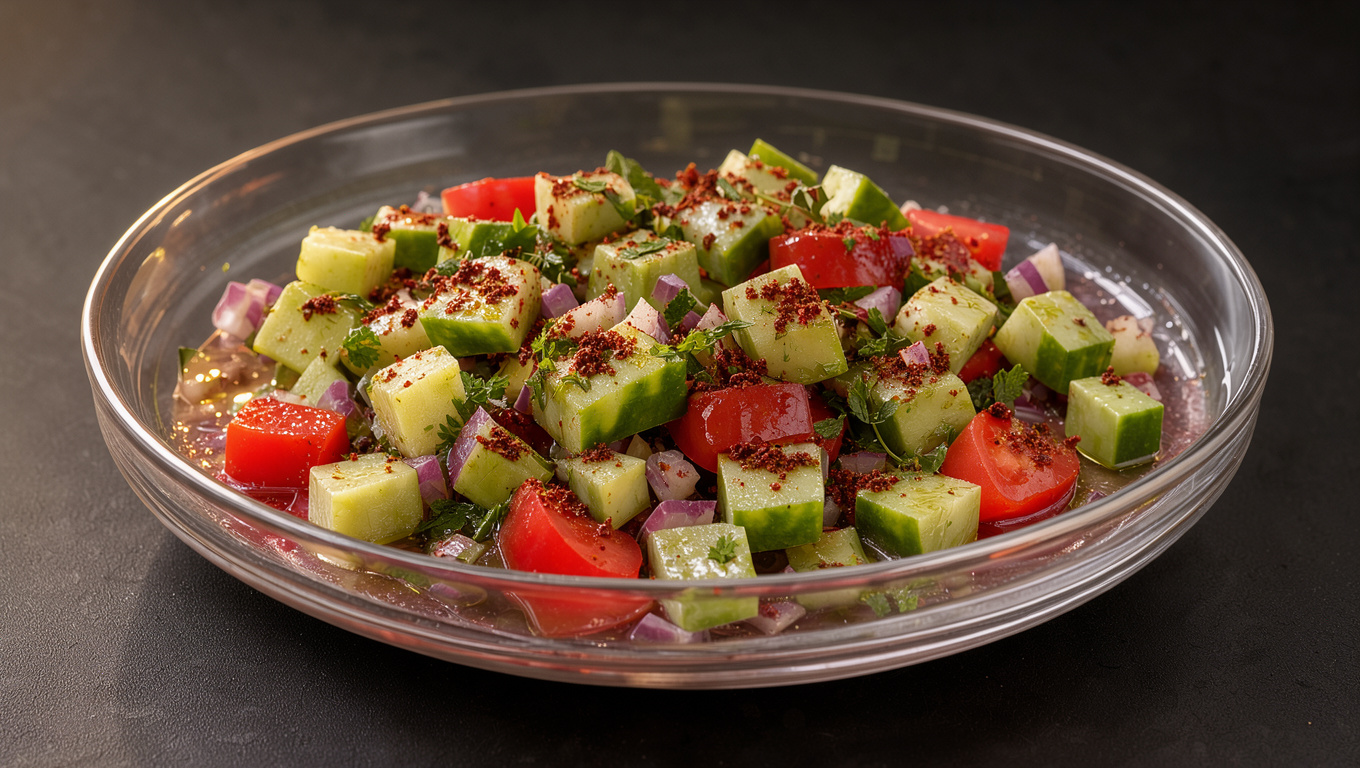 Shirazi SaladTURKISH · TURKEY — 20 MIN
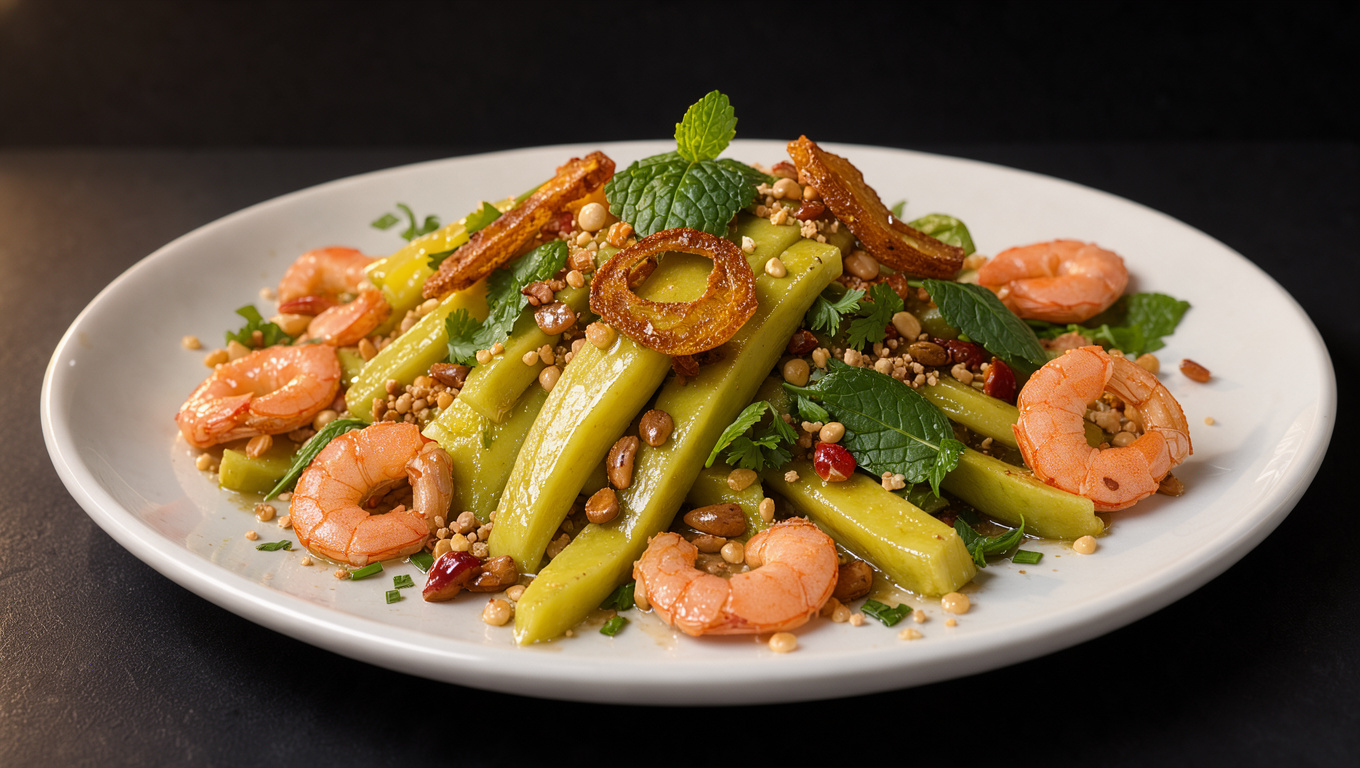 Vietnamese Green Mango Salad with Dried ShrimpVIETNAMESE · VIETNAM — 30 MIN
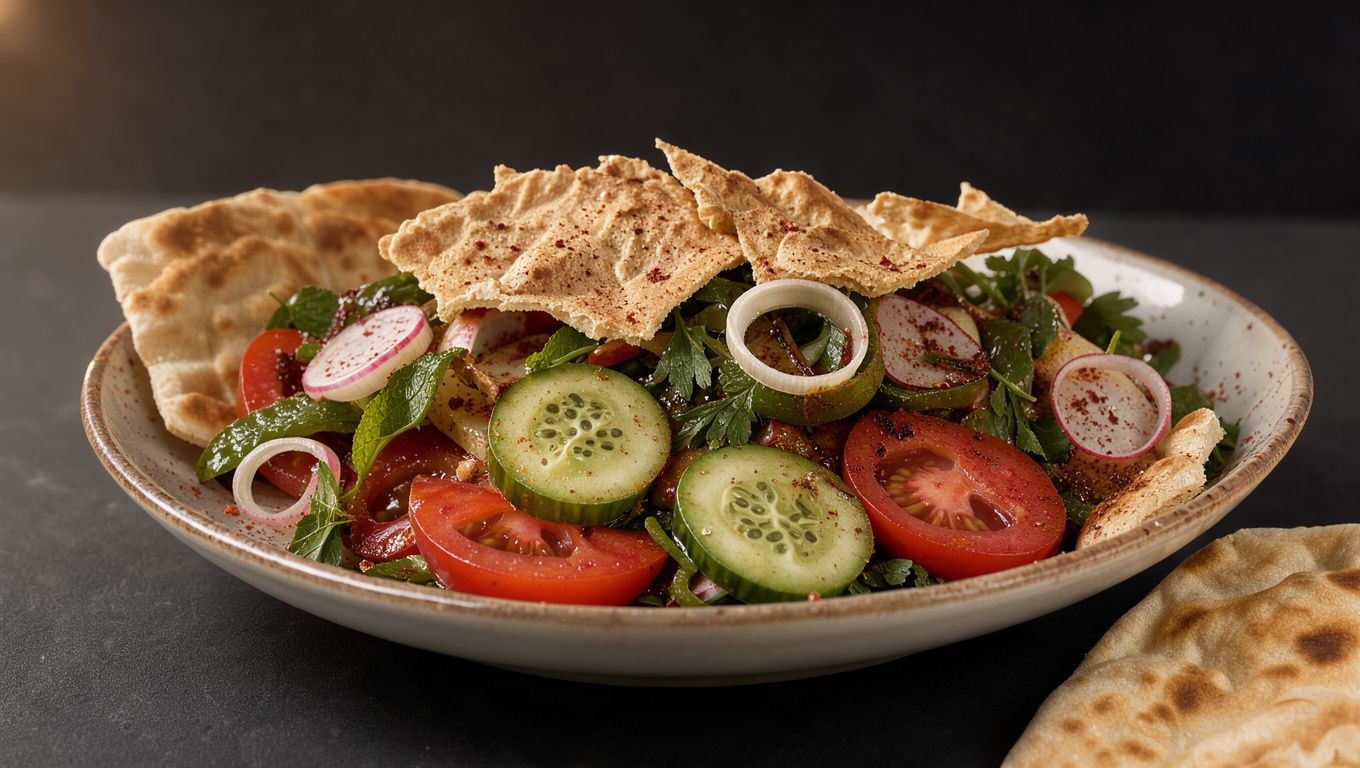 Lebanese Fattoush with SumacINDIAN · INDIA — 30 MIN
- DrinkCoolingSour
Ice-cold beer is the traditional chaser; a sour shake cools the chilli.
Try: Ice-cold lager, or a green mango shake
Nothing on the site fits yet. Ask the Lab to cook one up →