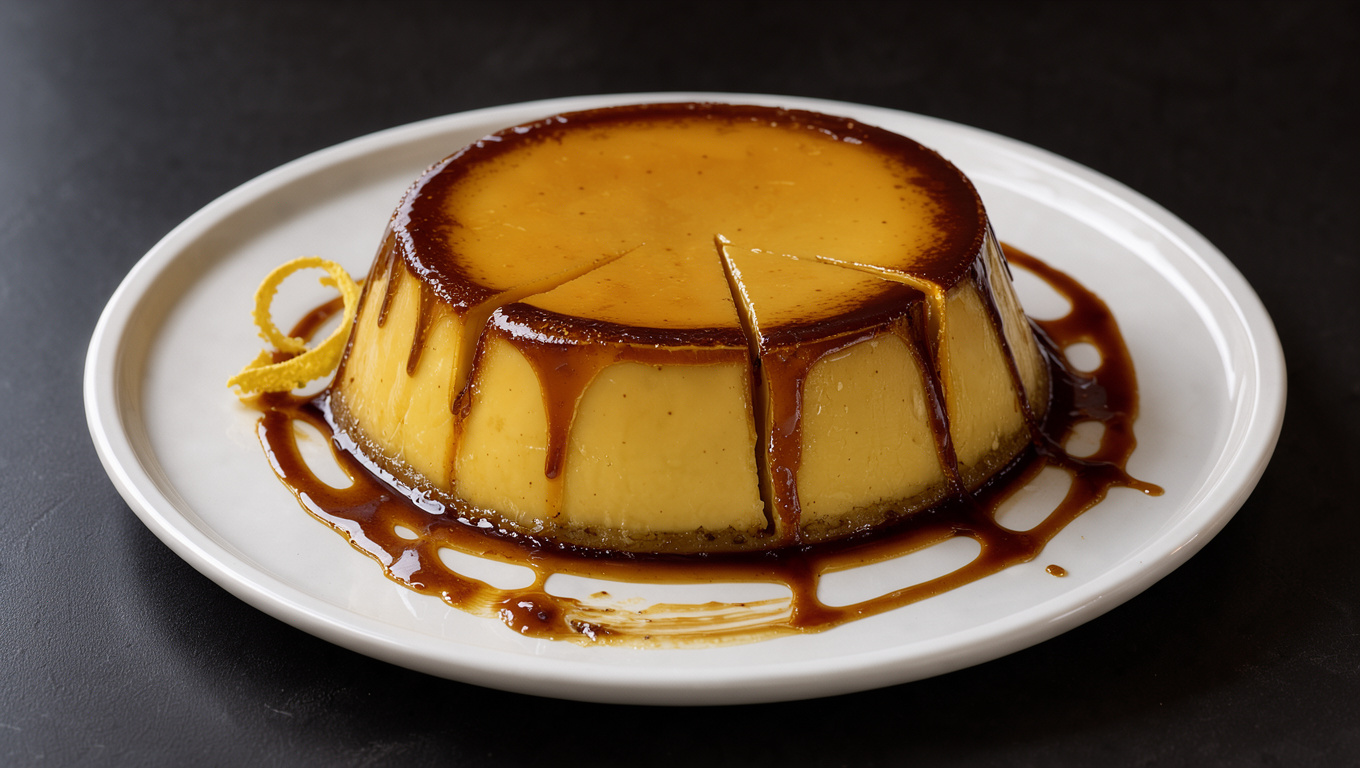
Filipino Leche Flan
Dense, silky egg custard steamed under a burnt-sugar caramel that pools into every spoonful. Richer and heavier than its Spanish cousin, the way every Filipino party expects it.
- Total
- 70 min
- Heat
- 0/5
- Serves
- 8
Sign in to see what you already have, what you can swap and what’s missing.
Flavour profile
- Caramelised
- Creamy
- Sweet
The real deal
- Region
- Philippines, adopted from the Spanish flan during the galleon trade and made heavier with condensed and evaporated milk.
- Technique
- Steamed, not baked: the llanera goes in a covered bain-marie so the custard sets dense and glass-smooth with no crust.
- We kept
- Egg yolks only, condensed and evaporated milk, and a dark caramel that is left to pool instead of being poured off.
Ingredients
caramel
- 2 tbsp
- 150 g
- 1 tbsp · or lime juice
custard
- 10 · no whites
- 1 can
- 1 can
- 1 tsp
- 1 · optional · zest only, curled off with a peeler
Method
Put the in a heavy pan with 2 tbsp and set it over medium heat. Let the sugar dissolve without stirring; once it bubbles, swirl the pan. Cook until it turns a deep amber, about 7 min, and pull it a shade darker than you think you want. Kill the heat and stand back as it darkens to mahogany. Hold the hot caramel pan off the heat, add the and stir once; the caramel will hiss and stiffen slightly. Divide it between your llanera moulds or one shallow dish, tilting each so the caramel coats the base and climbs a little way up the sides. Set them aside to firm.
Tip: A gram of sugar on the edge of the pan tells you the colour. Take it to amber, not black; bitter caramel ruins the whole flan.
Tip: Caramel on the walls gives you the streaks of sauce that run down the flan when it is turned out.
Separate 10 into a wide bowl and leave the whites for another use. Slip the yolks through your fingers to catch the chalazae so nothing stringy goes in. Add and to the yolks, then . Whisk in slow circles by hand until the mixture is one even colour, a couple of minutes; do not beat air into it. Stir through the if using.
Tip: One drop of white in the yolks will leave you with a lumpy custard. Separate over a second bowl, not over the yolks.
Tip: Foam on top means bubbles baked into the finished custard. Let the mix stand for ten minutes and the bubbles rise out.
Pour the custard through a fine sieve into the caramel-lined moulds, passing it through twice if you can spare the time; it should look like heavy cream. Leave about a finger's width at the top so it can set.
Tip: Straining is what makes the difference between good flan and glass-smooth flan.
Cover each mould tightly with foil, crimping it right over the rim so steam cannot drip in and dot the surface.
Set the moulds in a wide pan and add hot water to come halfway up their sides. Cover the pan, bring to a bare simmer over low heat and steam until the custard is just set, about 40 min. The centre should still wobble like a soft mattress when you nudge the pan; a knife in the middle comes out clean.
Tip: Fast boiling water makes honeycomb holes. Keep it barely trembling and check early; dry, over-steamed flan goes rubbery.
Lift the moulds out, uncover and cool to room temperature, then refrigerate for at least 6 h; overnight is better. Cold firms the custard so it unmoulds in one piece.
Tip: Skip the long chill and the flan will slump when you turn it out.
Run a thin knife around the edge of each mould, set a plate with a lip over the top and flip decisively. Lift the mould slowly and let every bit of caramel run down over the custard. Serve cold, sliced into wedges.
Tip: If it sticks, dip the base of the mould in hot water for a few seconds, never long enough to melt the custard.
Make it a meal
What hits hardest next to it.
- DrinkBitterLight
A bitter, unsweetened cup cuts the sugar and lets you come back for another spoonful.
Try: Hot black barako coffee
Nothing on the site fits yet. Ask the Lab to cook one up →
- SnackFreshSour
A tart, juicy fruit beside the custard is the classic Filipino balance of sweet against sour.
Try: Chilled sliced mango or ripe pineapple
From our kitchen
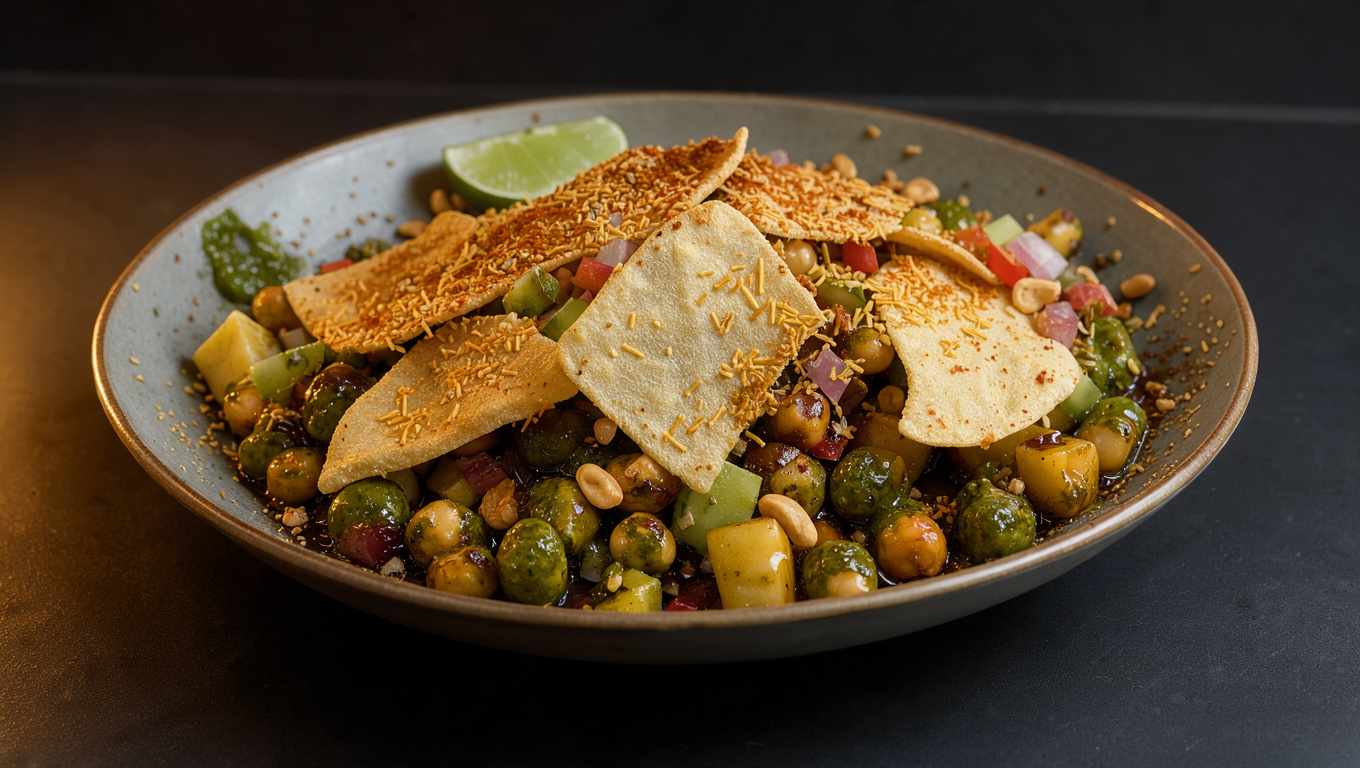 Spicy Chickpea Chana ChaatINDIAN · INDIA — 30 MIN
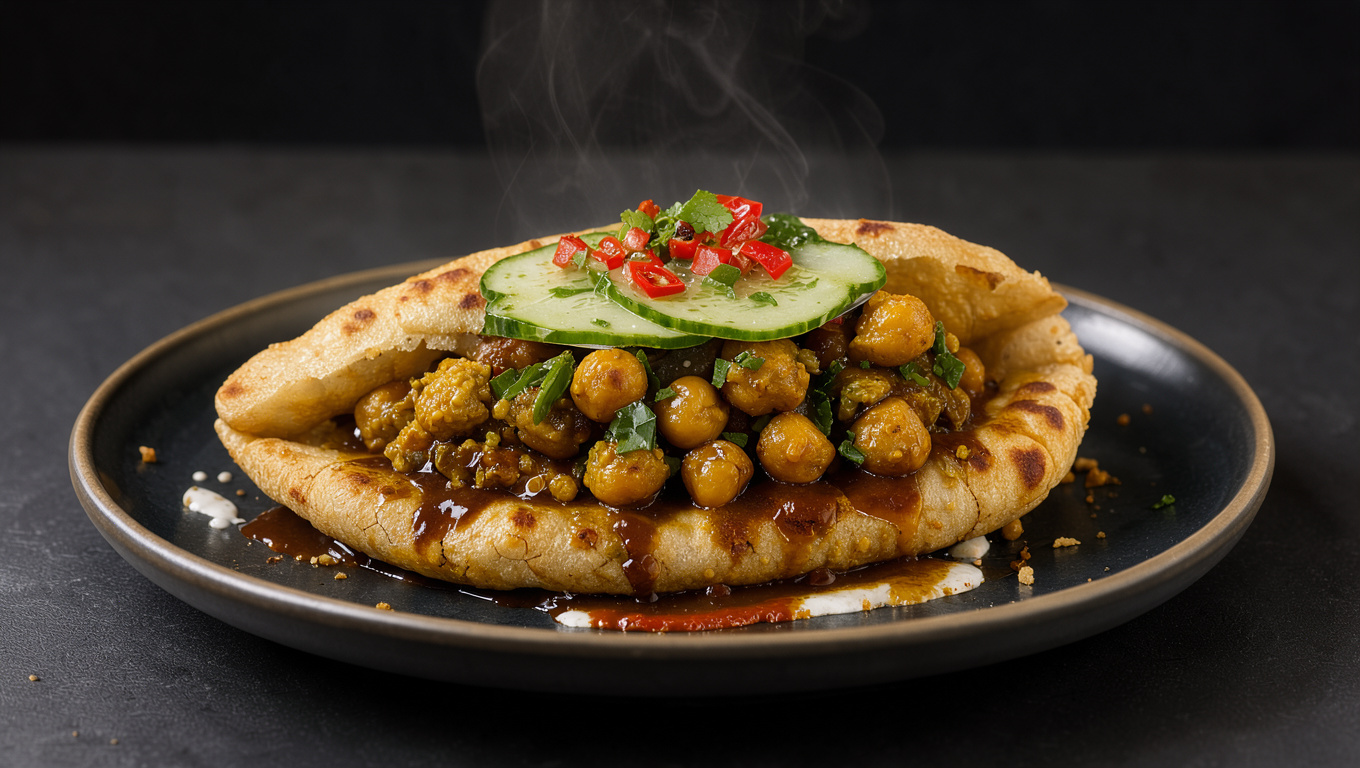 Trinidad DoublesINDIAN · CHINA — 75 MIN
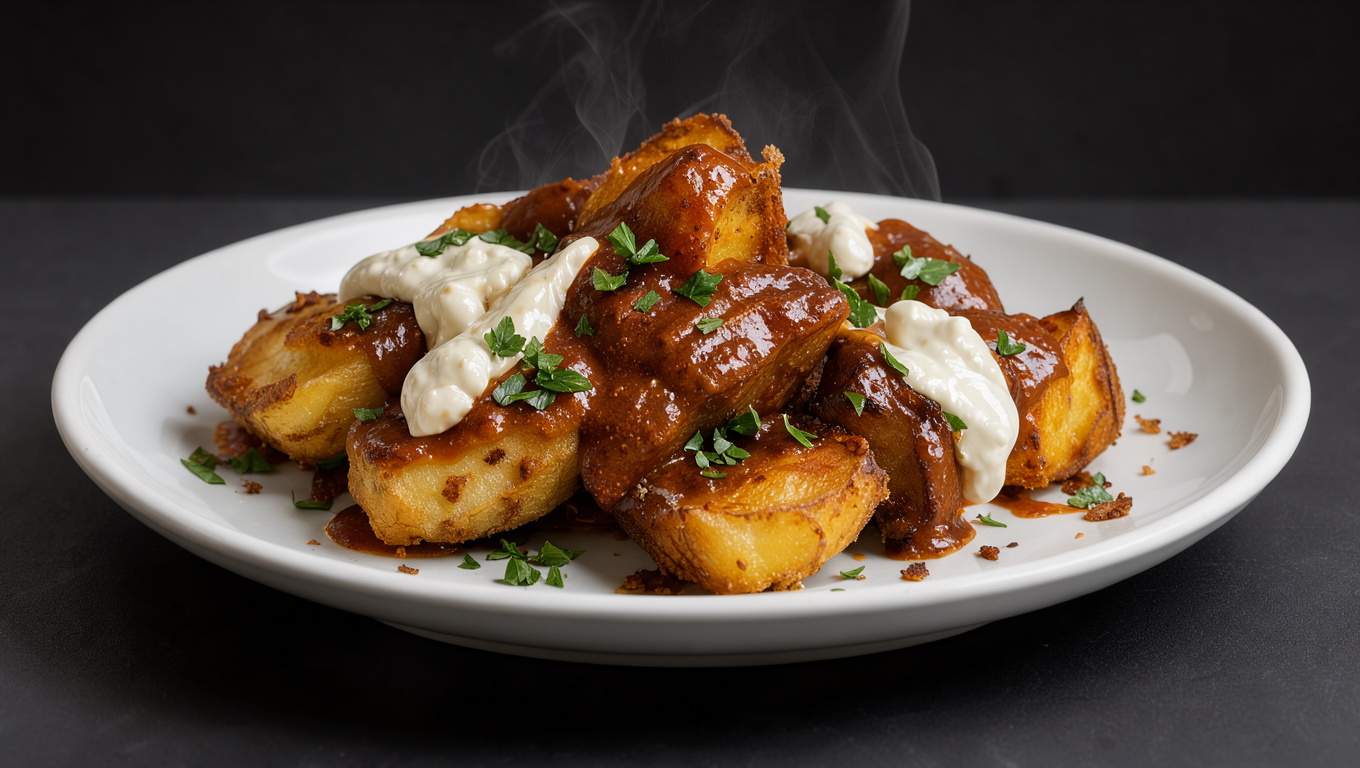 Patatas BravasITALIAN · ITALY — 50 MIN
- DessertCrunchySweet
Something crisp and nutty sits against the soft custard and gives the plate texture.
Try: Polvoron or crushed toasted peanuts
From our kitchen
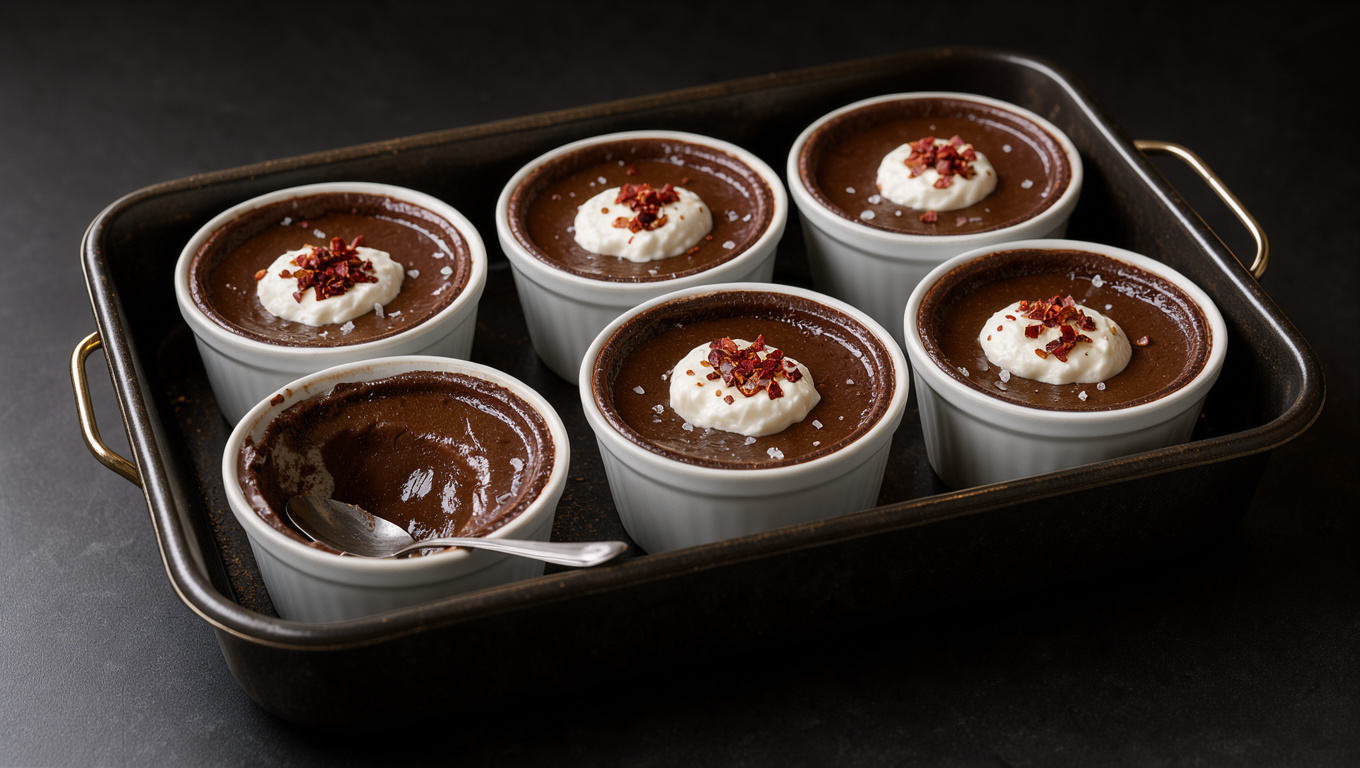 Mexican Chocolate and Chilli Pots de CrèmeMEXICAN · MEXICO — 55 MIN
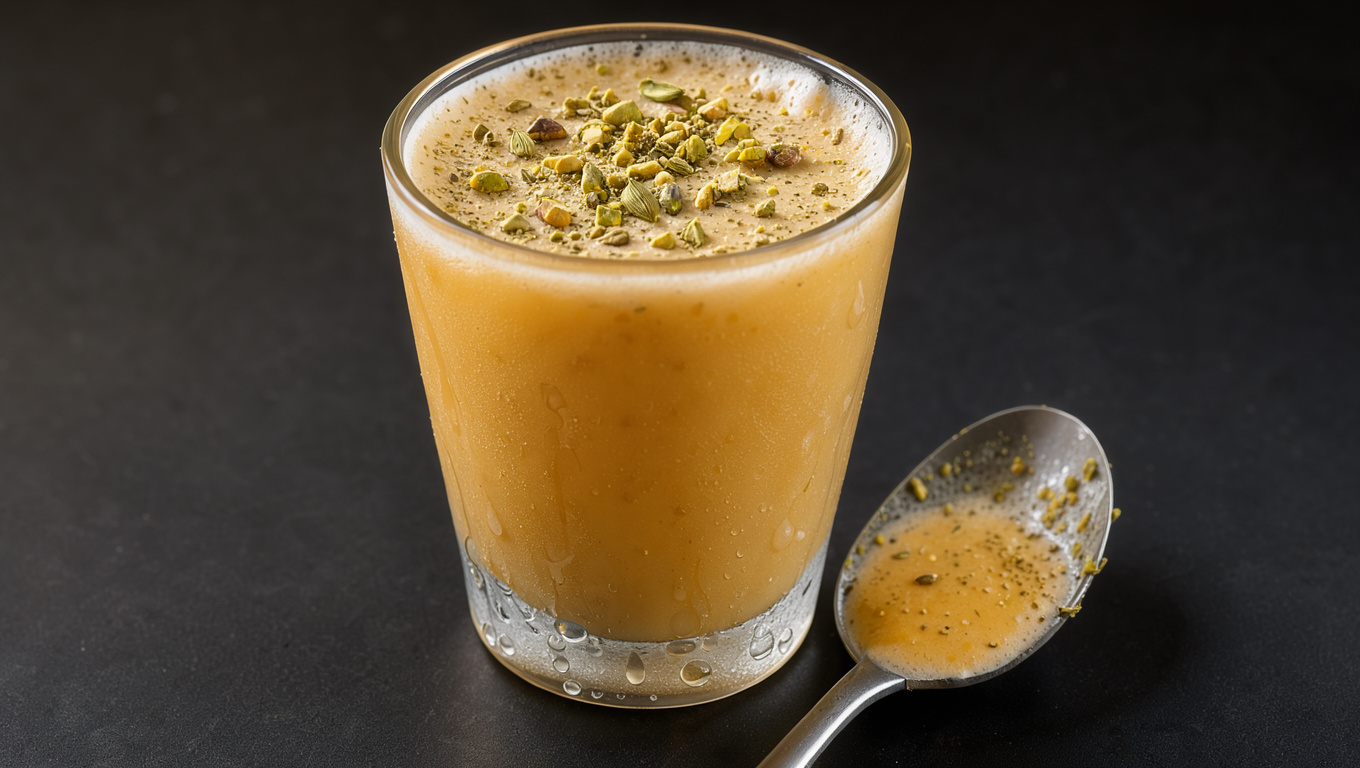 Mango Lassi with CardamomINDIAN · INDIA — 10 MIN
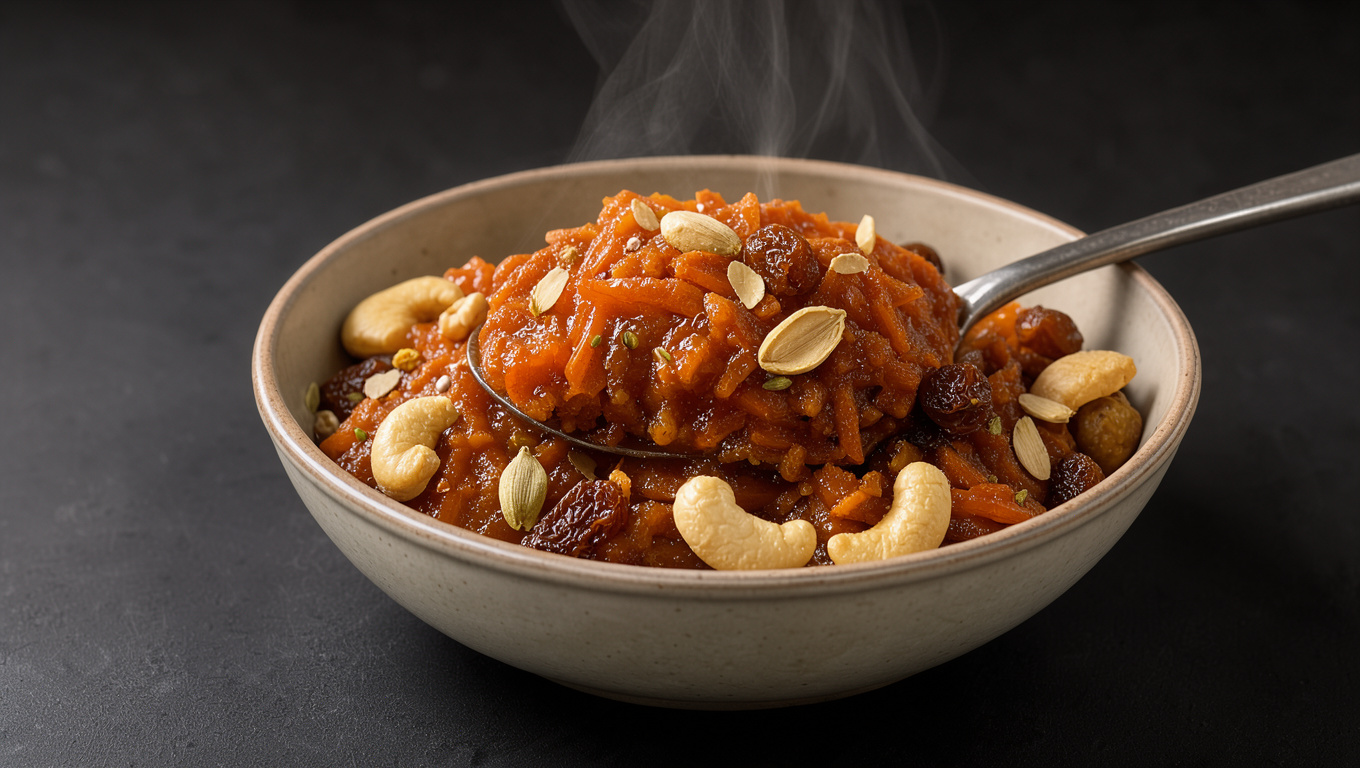 Gajar HalwaINDIAN · INDIA — 75 MIN