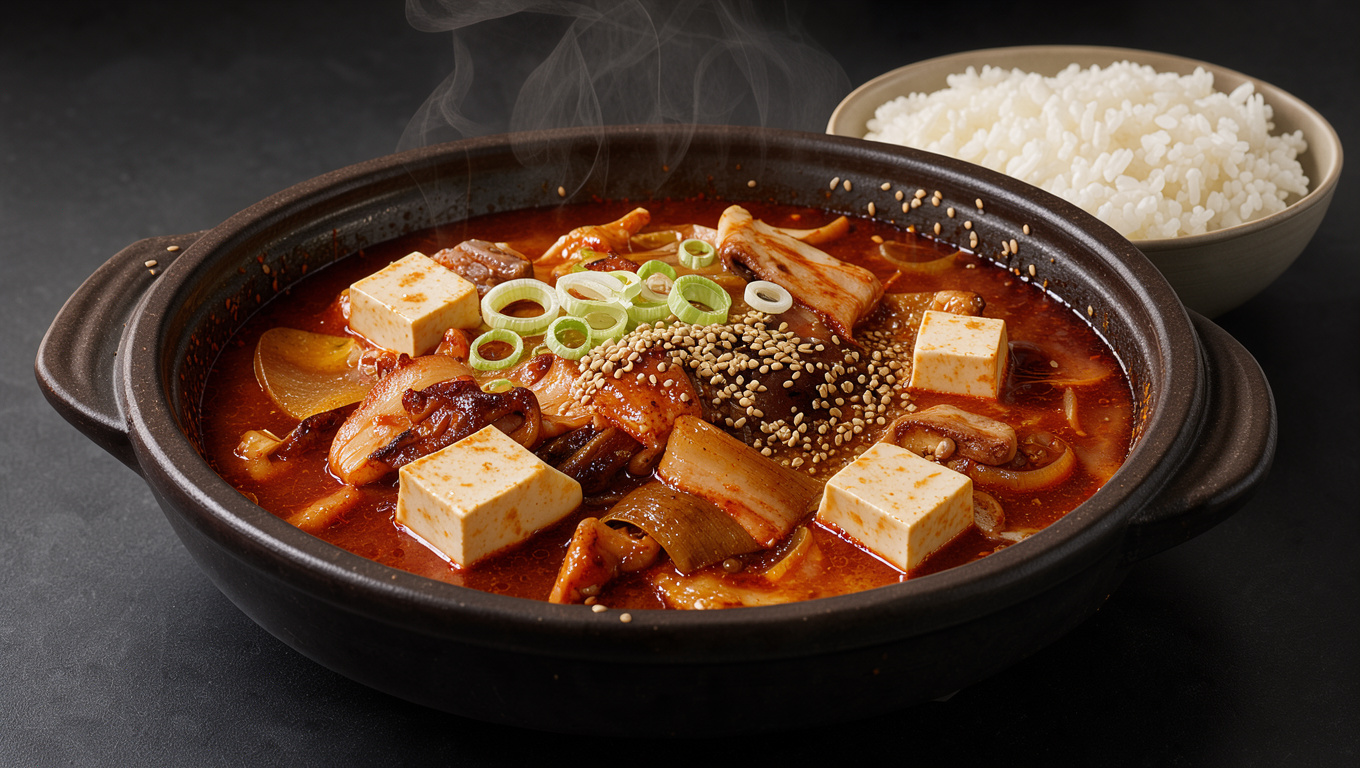
Kimchi Jjigae with Pork Belly
A bubbling, scarlet stew of aged kimchi and pork belly — sour, funky, porky and properly spicy. The older and sourer the kimchi, the better this pot tastes.
- Total
- 50 min
- Heat
- 4/5
- Serves
- 4
Sign in to see what you already have, what you can swap and what’s missing.
Flavour profile
- Funky
- Savoury
- Sour
- Spicy
The real deal
- Region
- Korea. The everyday home stew of aged kimchi simmered with pork.
- Technique
- Aged kimchi is fried in its own juices with pork belly first — that frying step builds the whole base — then simmered in the kimchi brine and stock until the pork is tender.
- We kept
- Aged, sour kimchi (never fresh), pork belly, gochugaru, anchovy-kelp stock, and a pot that keeps bubbling at the table.
Ingredients
stew
- 400 g · well-fermented, sour; keep the brine
- 400 g · skinless, sliced
- 1 · sliced
- 4 cloves · minced
- 2 cm · minced
- 2 tbsp
- 1 tbsp
- 1 tsp
- 2 tbsp
- 1 tsp
finish
- 300 g · firm or medium, cubed
- 3 · sliced on the diagonal
- 1 tsp
- 1 tsp · optional · crushed
Ingredients
- 700 ml
Method
Cut into thin strips about 0.5 cm thick — bite-sized pieces that will render and soften in the stew.
Tip: Partially freezing the belly makes clean, even slices easy. Always slice against the grain.
Cut into bite-sized pieces about 4 cm long, keeping the brine. Squeeze the pieces gently over the bowl — reserve every drop of the brine, it is the sour backbone of the pot.
Tip: Older, more sour kimchi makes a better jjigae. Under-ripe kimchi gives a flat, sweet stew.
Mince and together into a rough paste.
Set a heavy pot over medium heat. Add the pork, spread it out, and render until the fat turns glossy and the edges begin to brown, about 5 min. Do not rush this — the fat is the base of the stew.
Tip: If your pork belly is lean, add a teaspoon of neutral oil to get it going.
Add the kimchi to the pot and fry hard for 8 min, stirring often, until the pieces turn jammy, darker and almost glossy. Add and the garlic-ginger paste and fry for another 1 min, until the whole pot smells sour, sweet and porky — this is the flavour base, so let it colour.
Tip: Do not skip this or rush it: raw kimchi dumped straight into liquid gives a thin, sour, one-note stew. Frying it concentrates the funk and deepens the colour.
Stir in , , , and until everything is evenly coated and the pot smells toasted and deep.
Tip: The doenjang is a small Korean move — it adds a savoury backbone without making the stew taste like doenjang jjigae.
Pour in 700 ml and the reserved kimchi brine. Bring to a boil, then drop to a gentle simmer and cook for 20 min, until the pork is tender and the broth is thick, scarlet and glossy.
Tip: If the broth looks thin, keep simmering uncovered; the stew should be concentrated enough to spoon over rice.
Cut into cubes about 2.5 cm and slide them in. Simmer gently for 5 min, without stirring hard, until the tofu is heated through and the stew is deep red.
Tip: Use a spoon to push the tofu under the broth rather than stirring, so the cubes stay whole.
Taste and adjust with a little more or brine if it needs salt. Scatter over , drizzle and finish with if using. Serve bubbling hot, with short-grain rice.
Tip: This is better after it sits — but it never makes it that far.
Make it a meal
What hits hardest next to it.
- Rice & noodlesStarchyLight
Plain short-grain rice is the classic landing pad for the sour, porky broth.
Try: A bowl of steamed short-grain rice
From our kitchen
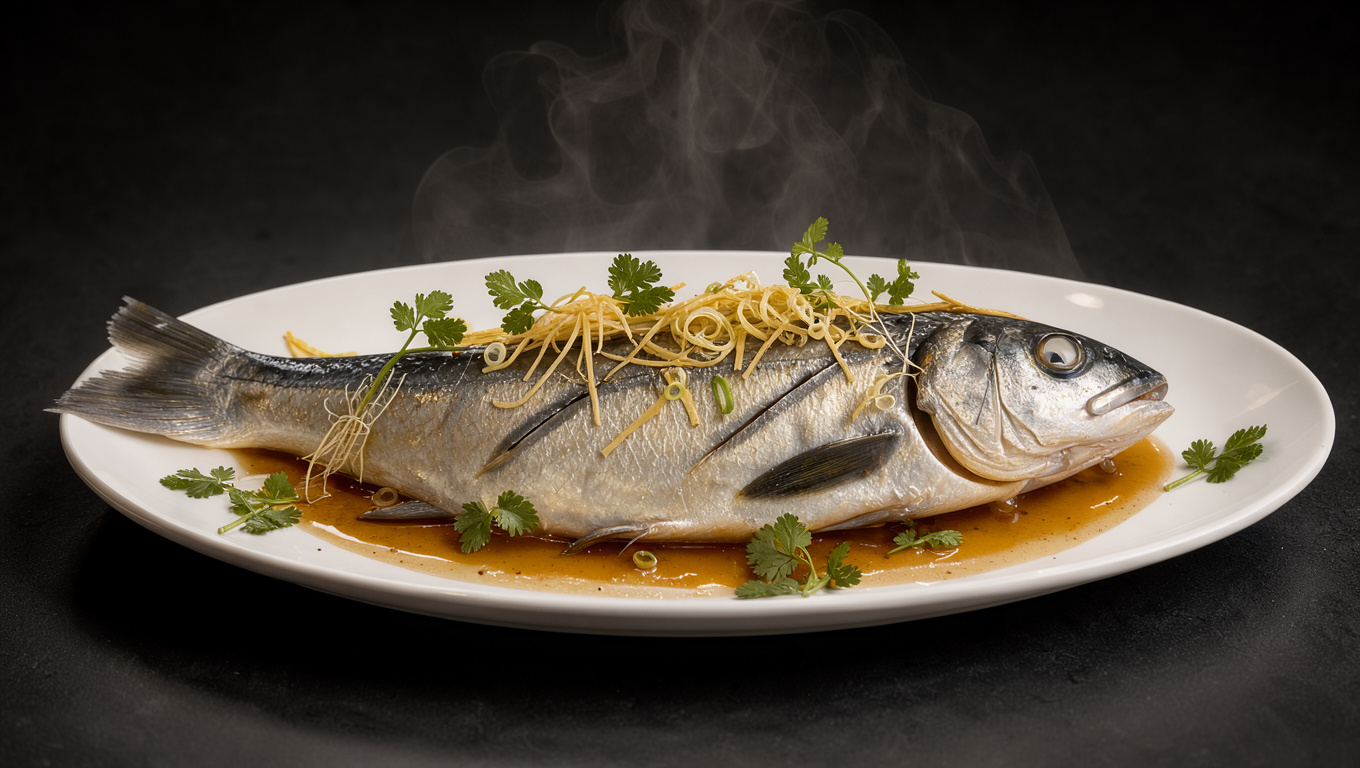 Cantonese Steamed Fish with Ginger and Spring OnionCANTONESE · CHINA — 35 MIN
- SideFreshCoolingCrunchy
A cool, crisp bite resets the mouth between spoonfuls of fiery stew.
Try: Cold cucumber or radish salad dressed with rice vinegar and sesame
From our kitchen
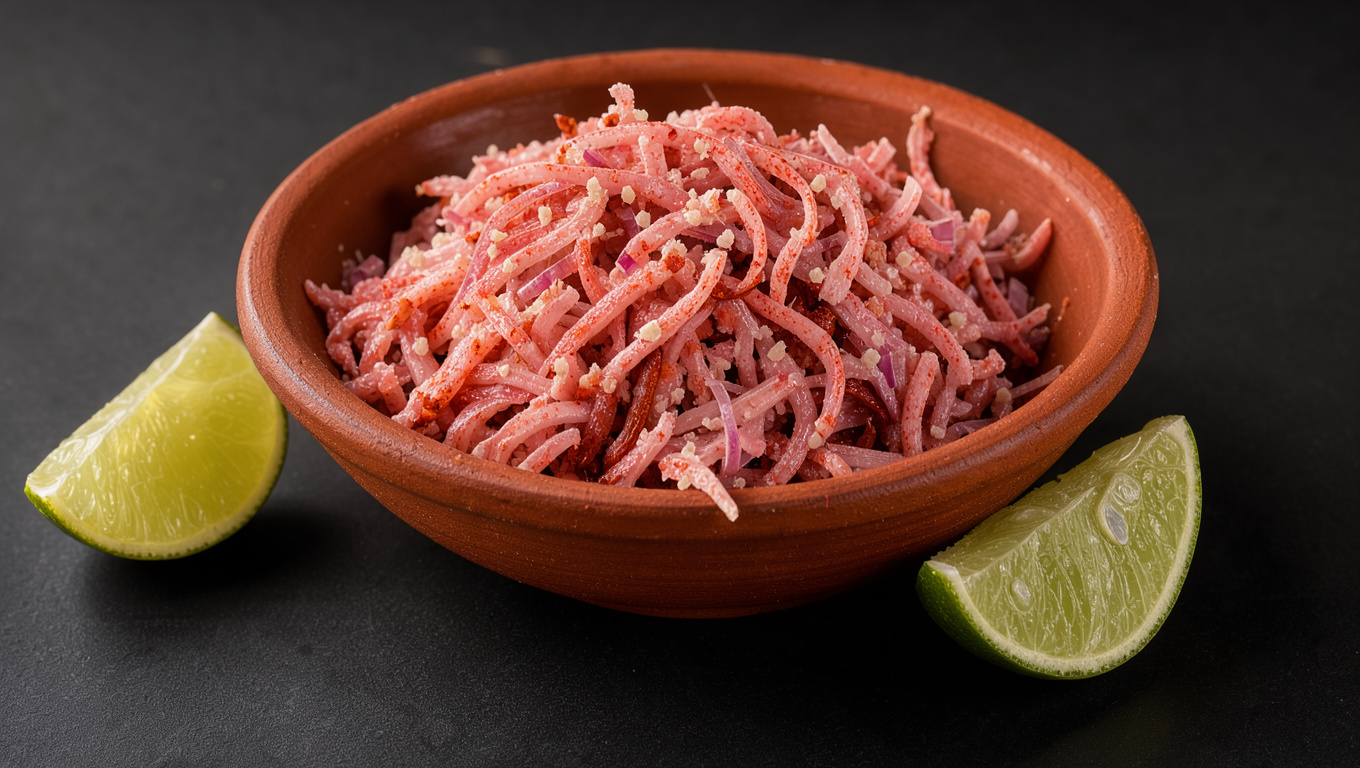 Pol Sambol (Sri Lankan Coconut Sambol)SRI LANKAN · SRI LANKA — 15 MIN
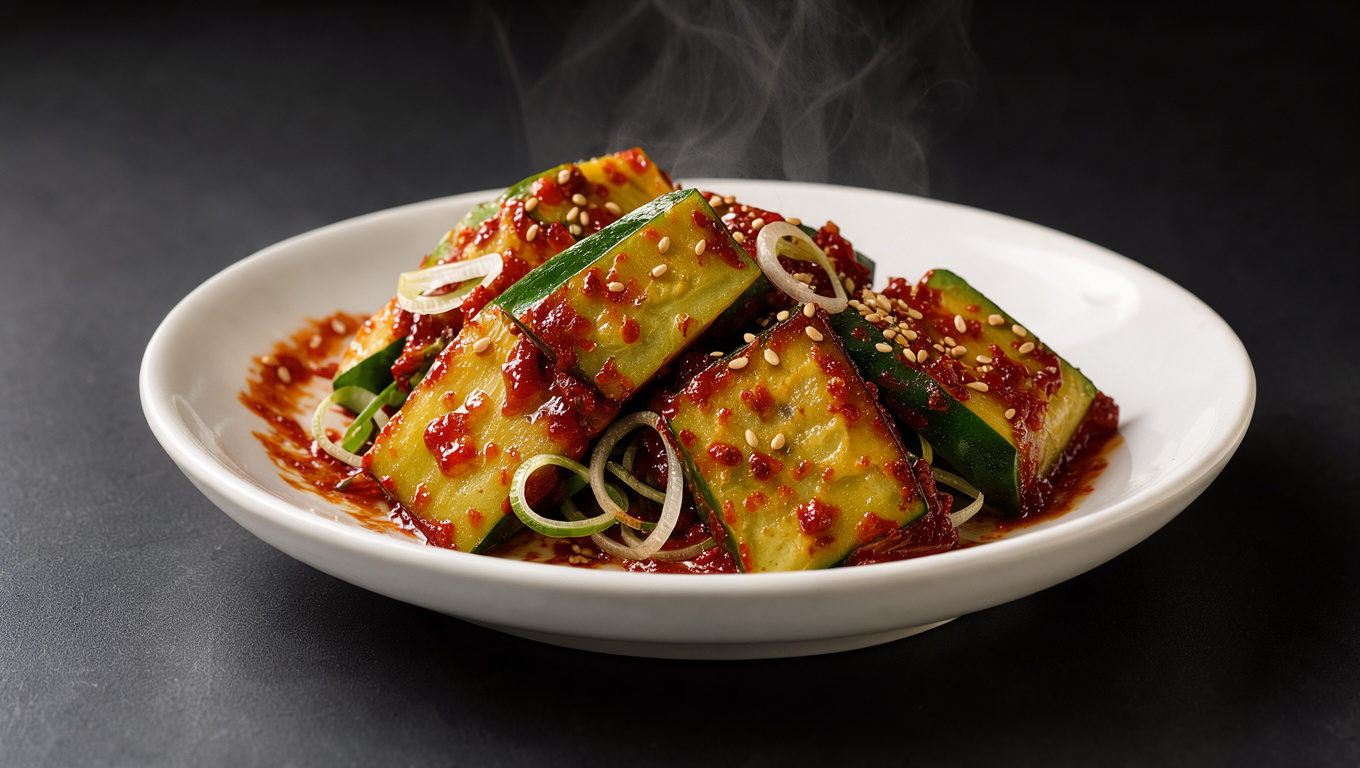 Oi Muchim (Korean Cucumber Kimchi)KOREAN · KOREA — 15 MIN
- SideFunkyPickledSpicy
Extra banchan — more salt, more funk, more crunch — makes the table feel like a Korean spread.
Try: A few banchan: pickled radish, seasoned spinach, a sheet of gim
From our kitchen
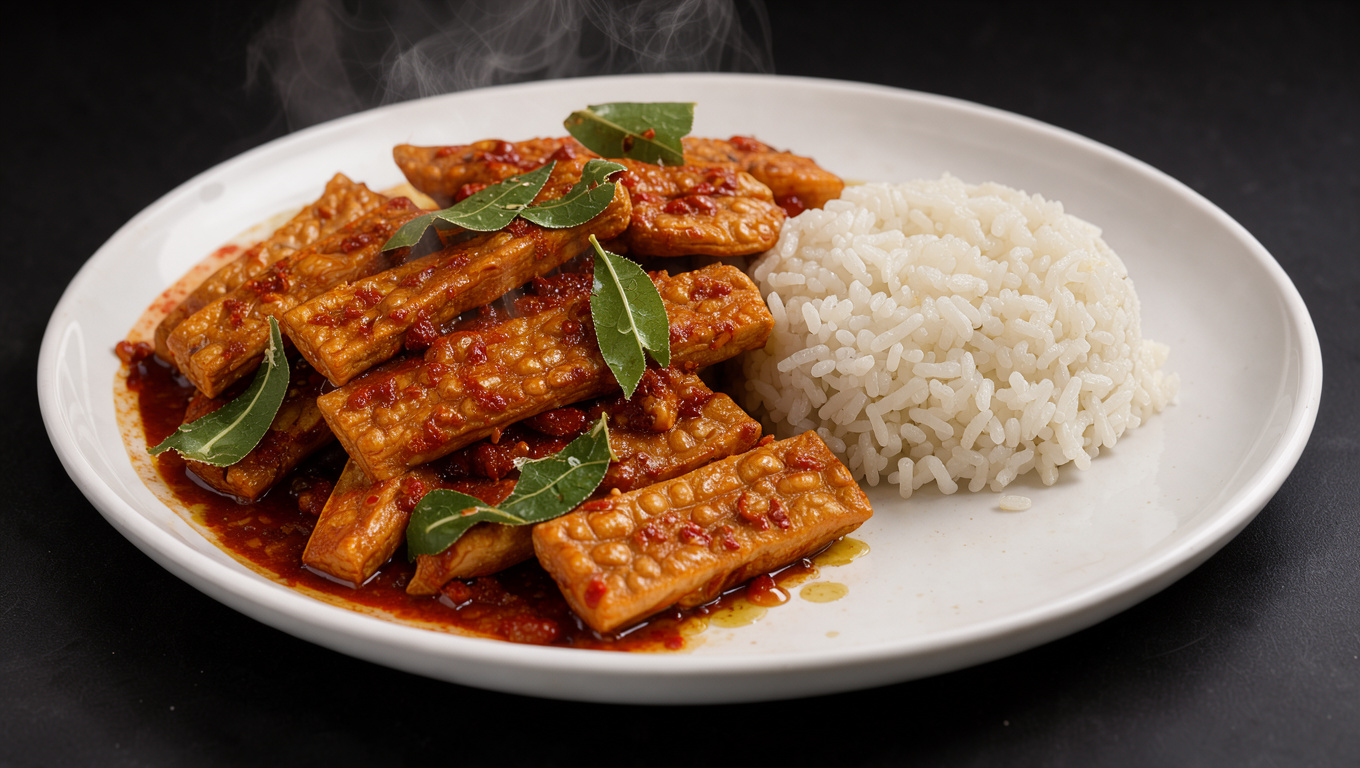 Sambal Goreng TempehINDONESIAN · INDONESIA — 45 MIN
- Pol Sambol (Sri Lankan Coconut Sambol)SRI LANKAN · SRI LANKA — 15 MIN
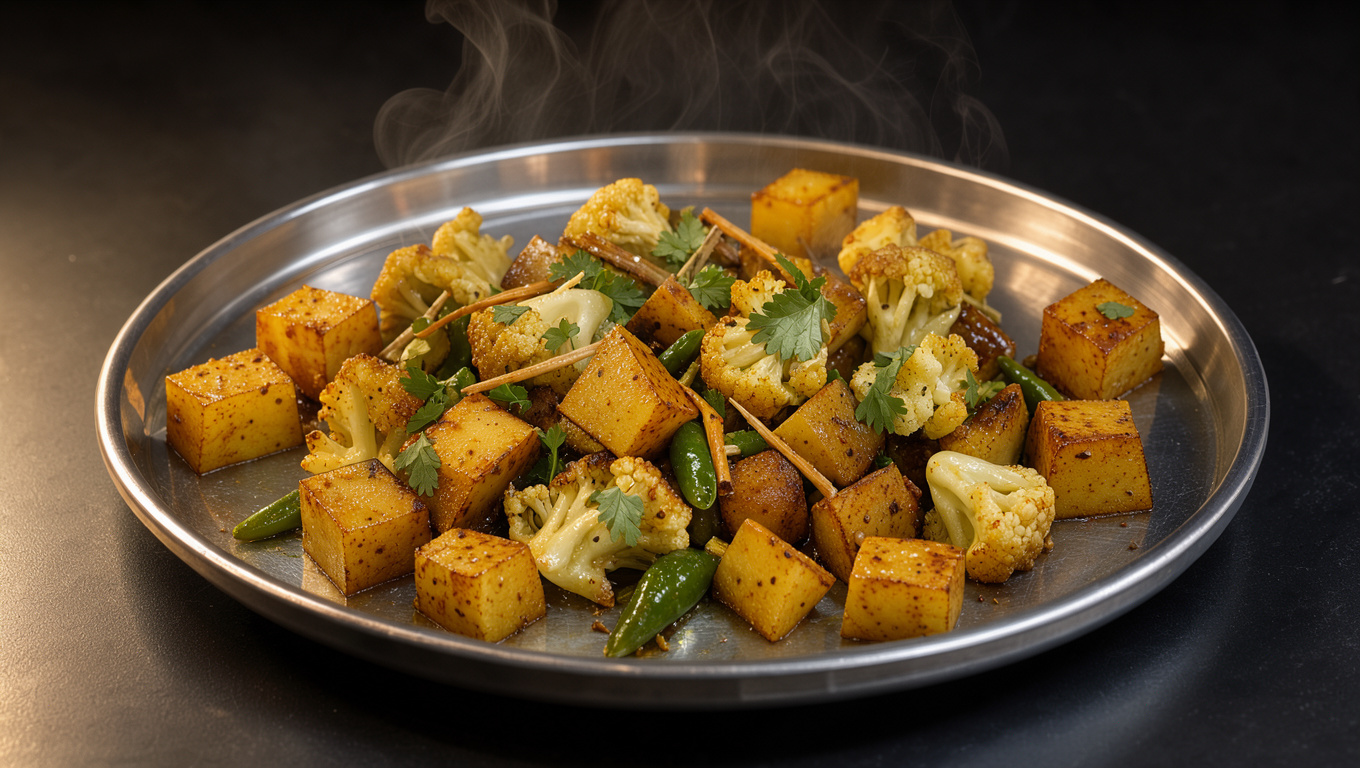 Aloo GobiINDIAN · INDIA — 40 MIN