Turkish Baked Rice Pudding (Sütlaç)
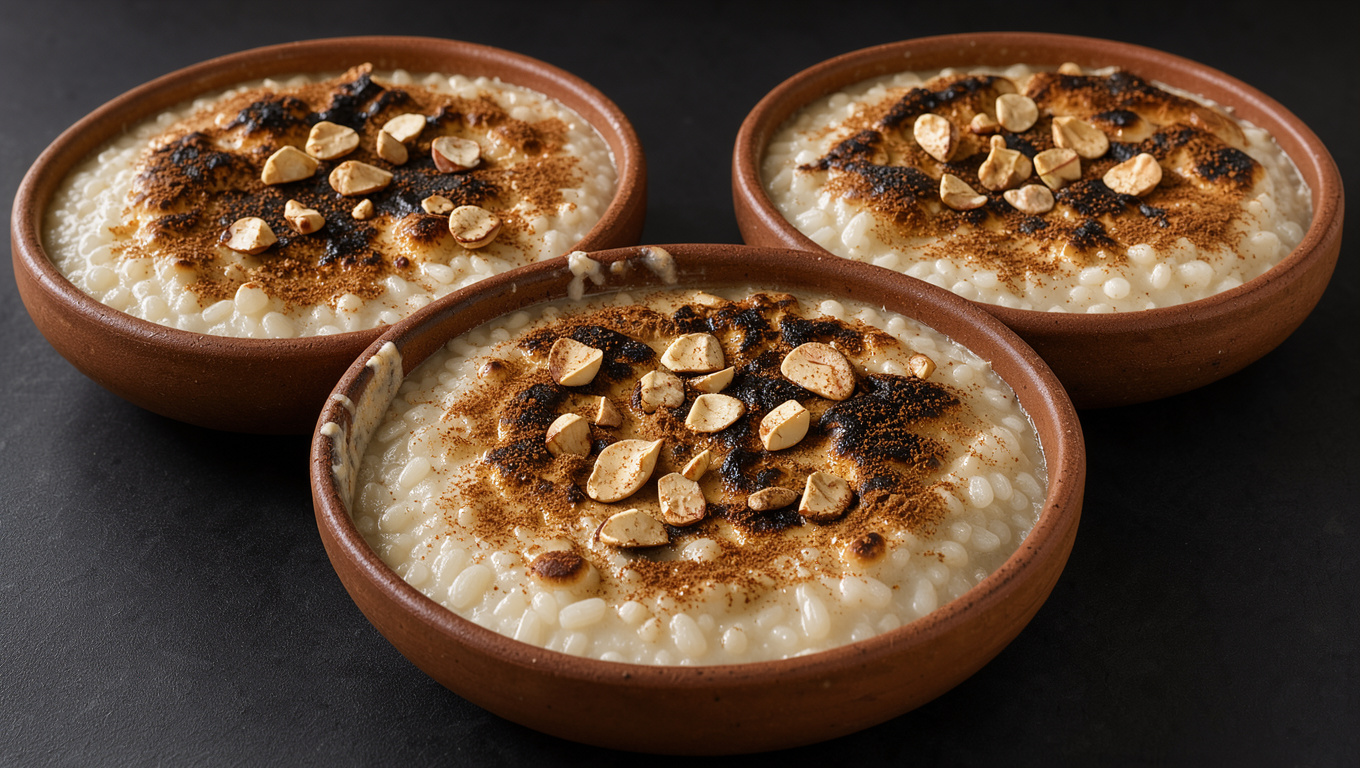
Creamy rice pudding poured into clay bowls and blasted under the grill until the top blisters and blackens in patches. The crackle of that burnt skin against the cool, milky pudding underneath is the whole point.
- Total
- 55 min
- Heat
- 0/5
- Serves
- 6
Sign in to see what you already have, what you can swap and what’s missing.
Flavour profile
- Caramelised
- Creamy
- Silky
- Sweet
The real deal
- Region
- Turkey, where sütlaç is sold in earthenware bowls from street carts and readied for fırın sütlaç in every home oven.
- Technique
- The rice is boiled to a soft, starchy porridge, the milk is added and simmered until it thickens, then the puddings are baked until the surface scorches.
- We kept
- Real short-grain rice, whole milk, rice flour for the traditional body, and no eggs — the fırınlı (baked) finish is done properly under high heat, not faked with a blowtorch.
Ingredients
pudding
- 100 g · rinsed
- 500 ml
- 1.2 l
- 150 g
- 20 g
- 1 tsp
- to taste
- 15 g · optional
Garnish
- 40 g · optional · toasted, chopped
- to taste · optional
Method
Rinse 100 g in cold water until the water runs clear, then drain.
Tip: Starch left on the grains will glue the pudding together; a proper rinse is what keeps it creamy instead of paste-like.
Tip the rice into a heavy pan with 500 ml and a pinch of . Bring to a boil, then lower the heat and simmer until the rice is very soft and the water is all but gone, about 15 min. Stir now and then so the grains don't catch.
Whisk 20 g into 200 ml of the in a cup until it is completely smooth.
Tip: Any lump now will be a lump in the finished pudding; whisk it like you mean it.
Add the rest of the milk, 1 l, to the rice along with 150 g . Stir over medium heat until the sugar dissolves, then pour in rice flour slurry in a thin stream, stirring all the time. Simmer gently, stirring often, until the pudding coats the back of the spoon and a line drawn through it holds, about 20 min. Add and 15 g at the end.
Tip: Keep the heat low and keep stirring: milk scorches on the base and the burnt flavour will follow the whole batch.
Divide the pudding between shallow ovenproof bowls or small clay dishes, filling them about three-quarters full. Leave to cool for 10 min so a skin starts to form.
Tip: Shallow wide bowls give more scorched surface per spoonful than deep ramekins.
Heat the oven to 250 °C or the grill to its highest setting. Slide the bowls onto the top shelf and bake until the tops puff, caramelise and blacken in patches, about 10 min.
Tip: Watch it like a hawk from minute eight: it goes from golden to bitter charcoal fast, and the burnt bits are the flavour — just don't let the whole surface blacken.
While the puddings bake, toast 40 g in a dry pan until they smell nutty, then tip out and chop.
Pull the puddings out and let them cool to room temperature so the custard sets, then chill if you like them cold. Dust with and scatter the toasted hazelnuts over the burnt tops.
Tip: They are best somewhere between room temperature and cold — never hot, or the burnt top tastes raw rather than caramel-sweet.
Make it a meal
What hits hardest next to it.
- DrinkBitterLight
A small glass of unsweetened tea cuts the milk fat and lets the burnt top read as caramel instead of cloying.
Try: Turkish çay in a tulip glass, no sugar
Nothing on the site fits yet. Ask the Lab to cook one up →
- DessertSourFresh
A tart fruit brings acid to a dish that is all dairy and sugar.
Try: Fresh sour cherries or a spoonful of vişne reçeli
From our kitchen
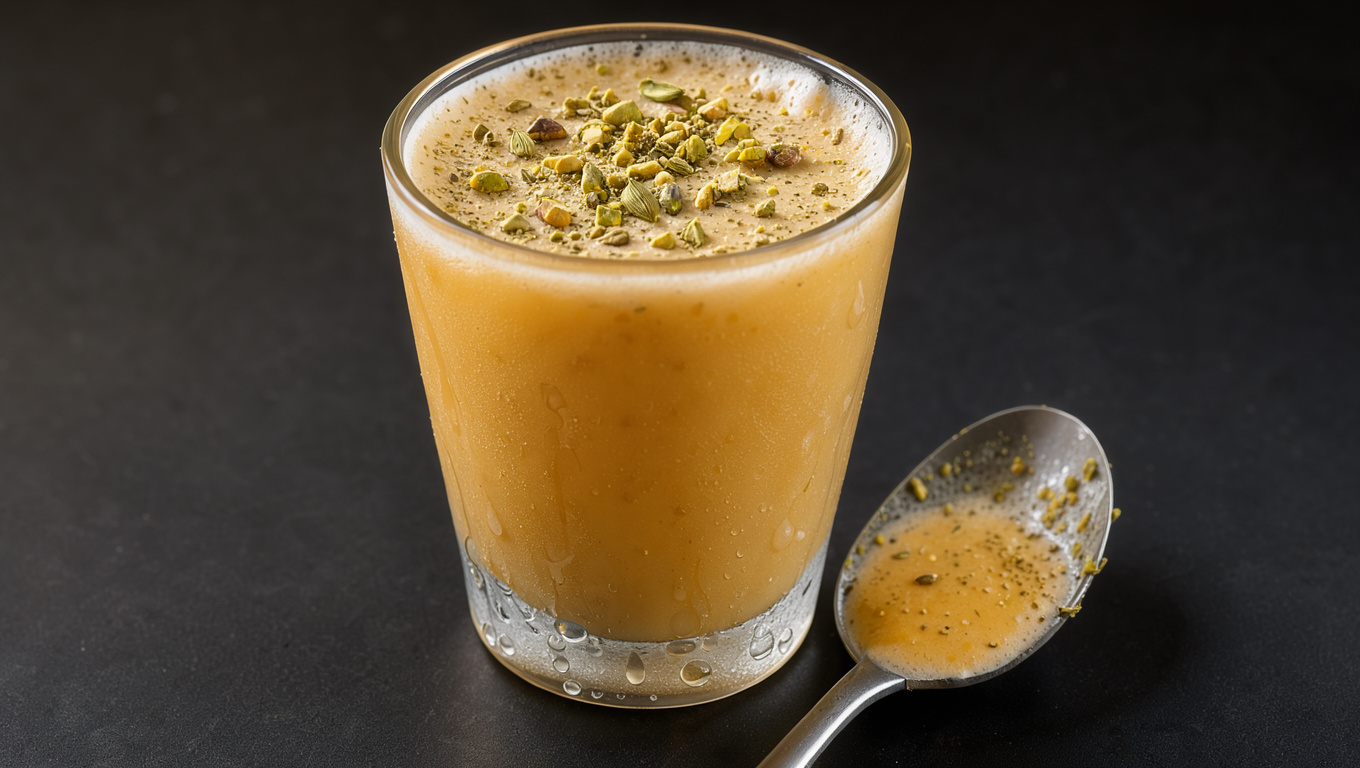 Mango Lassi with CardamomINDIAN · INDIA — 10 MIN
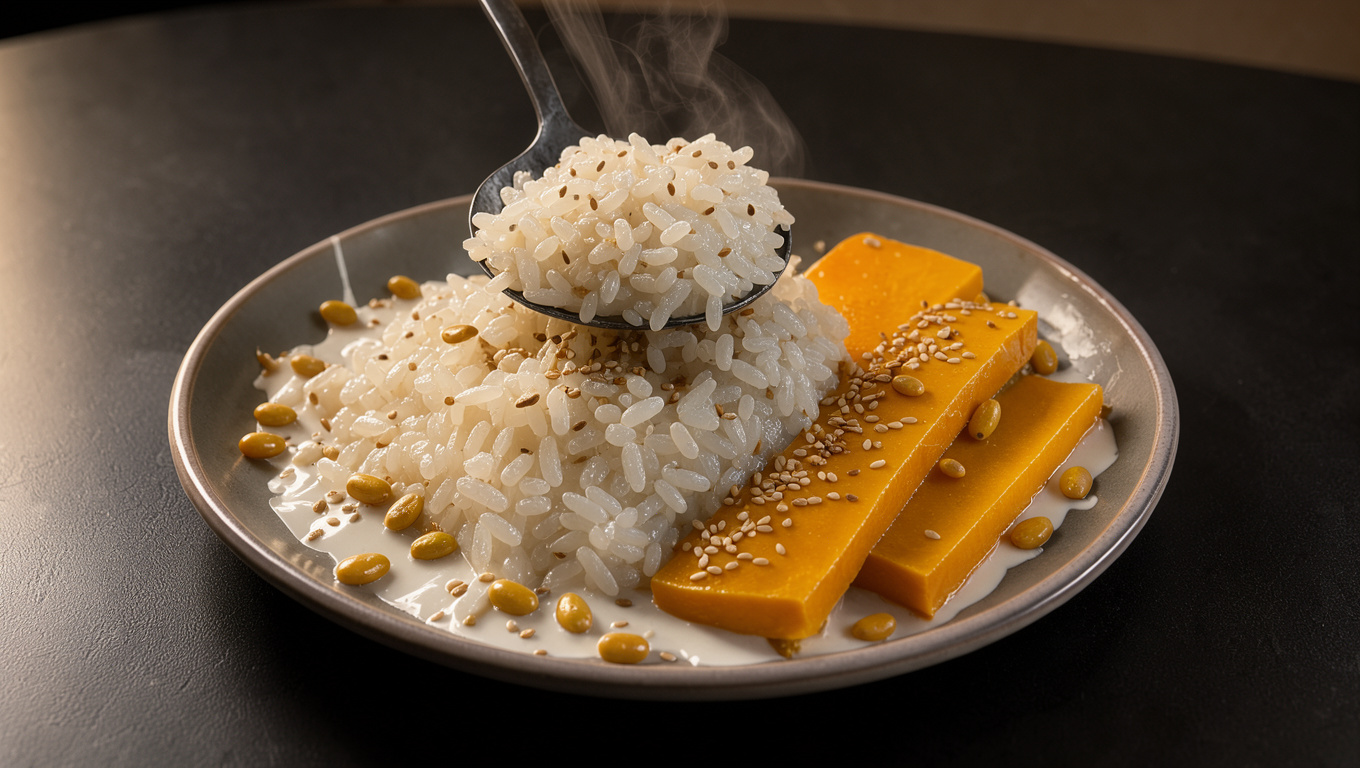 Thai Mango Sticky RiceTHAI · THAILAND — 65 MIN
- SnackCrunchy
Toasted nuts give texture against the soft, milky body.
Try: A scatter of toasted chopped hazelnuts or pistachios
From our kitchen
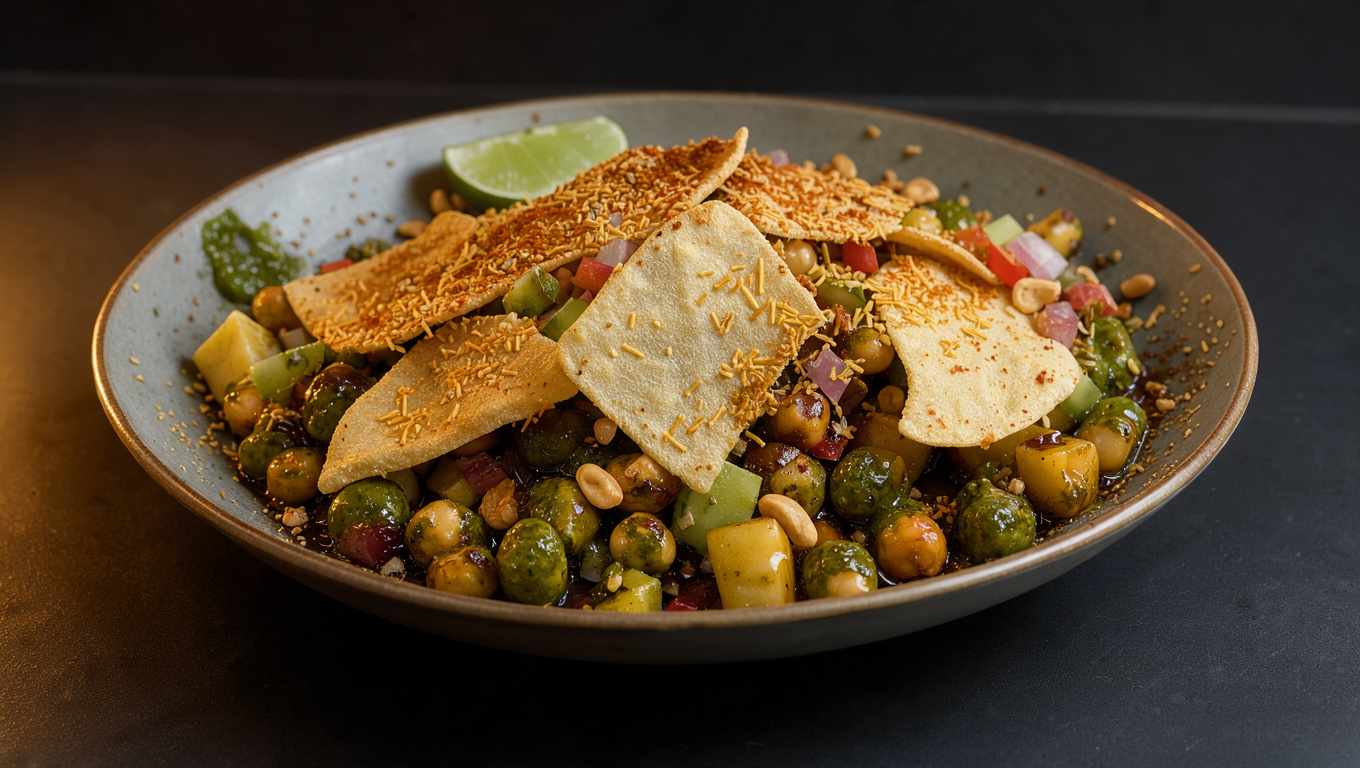 Spicy Chickpea Chana ChaatINDIAN · INDIA — 30 MIN